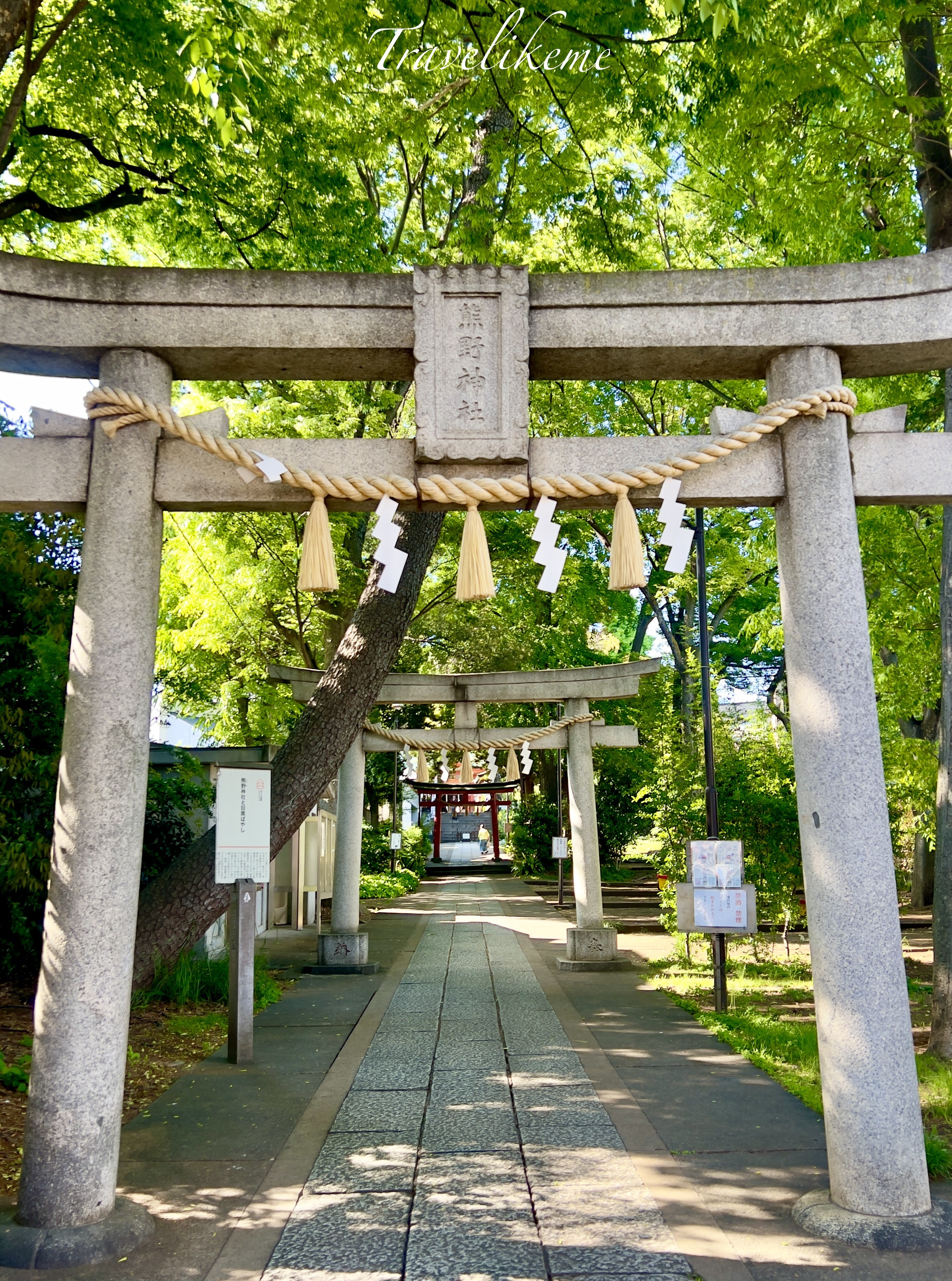
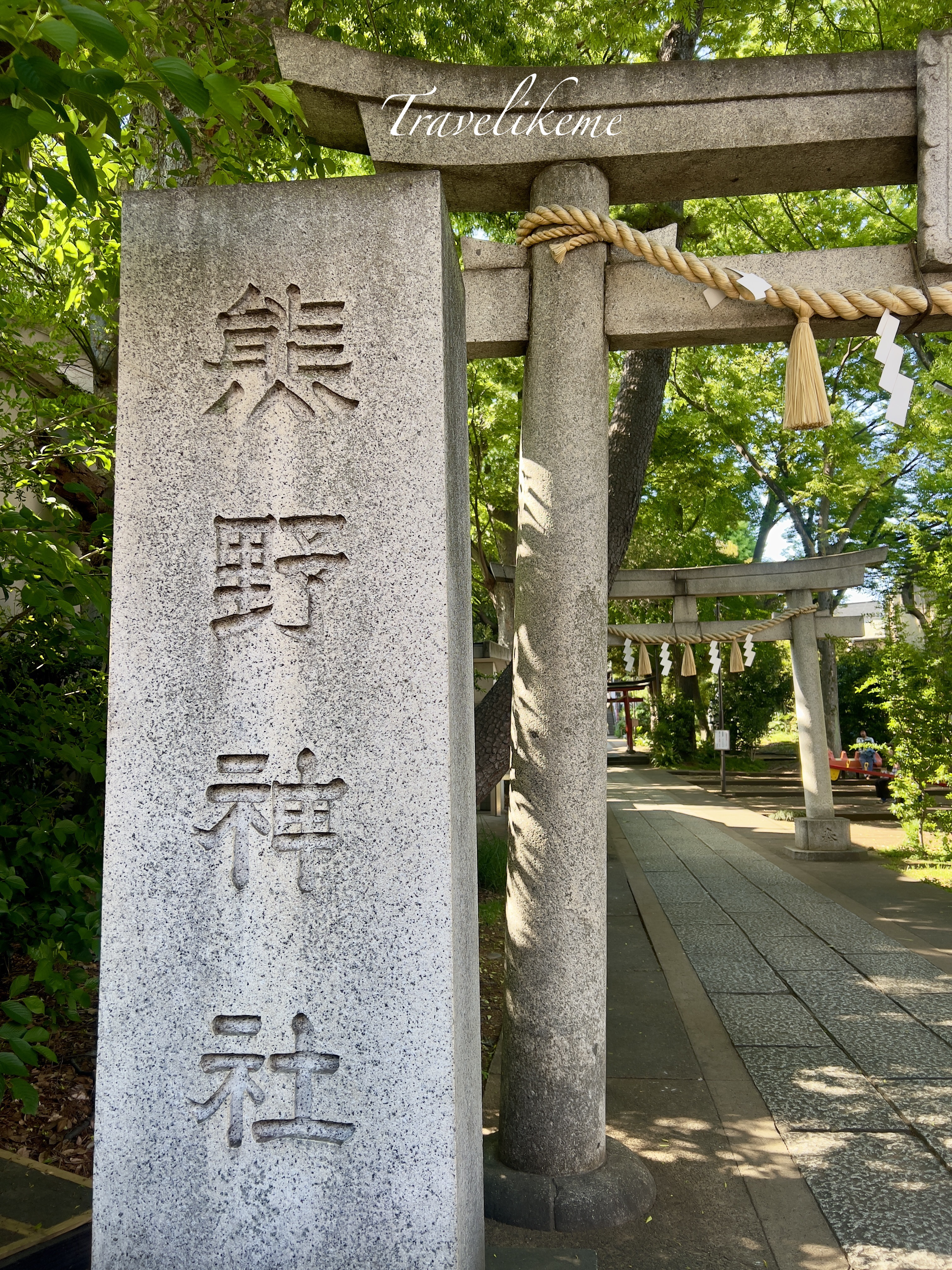
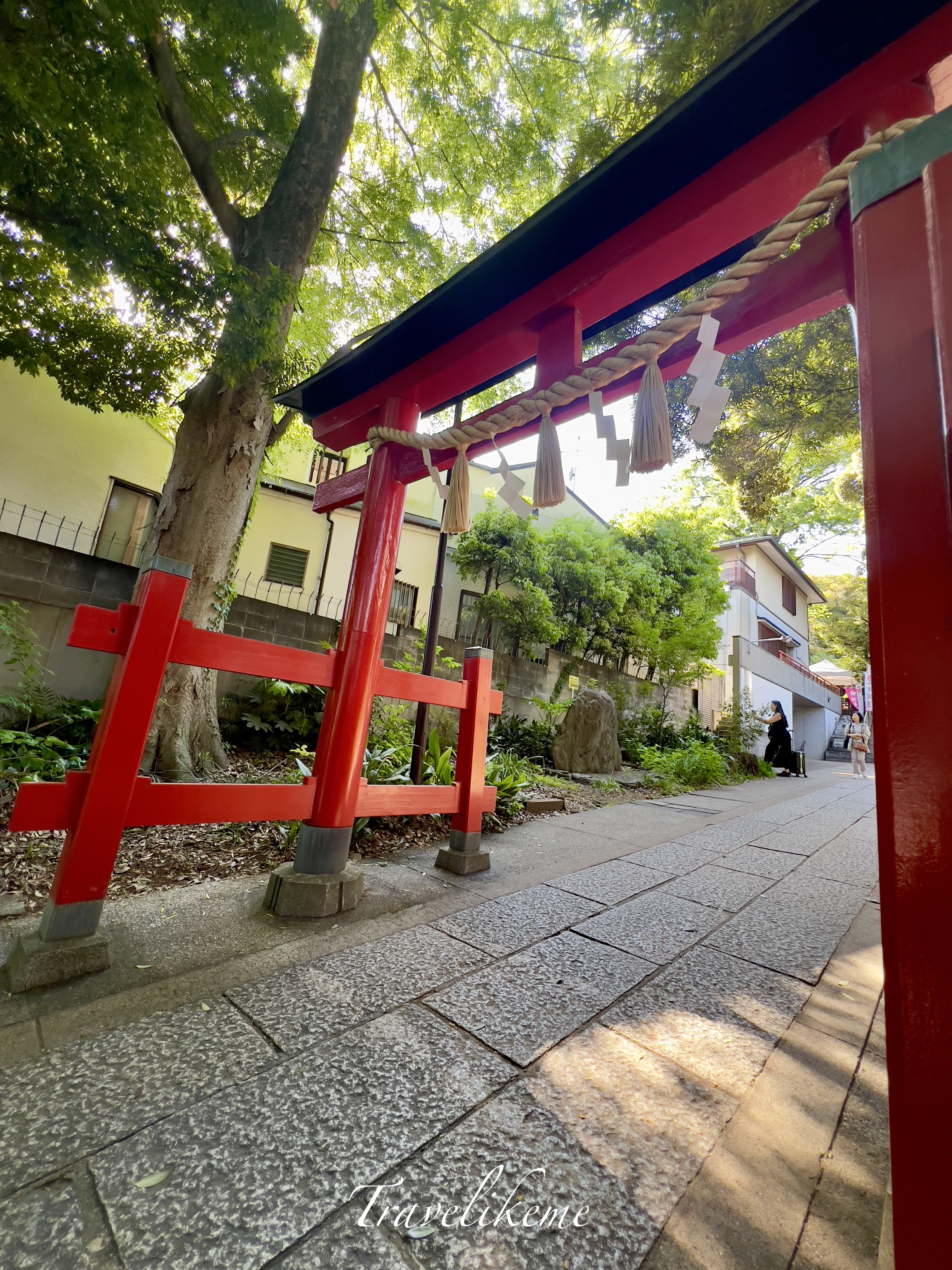
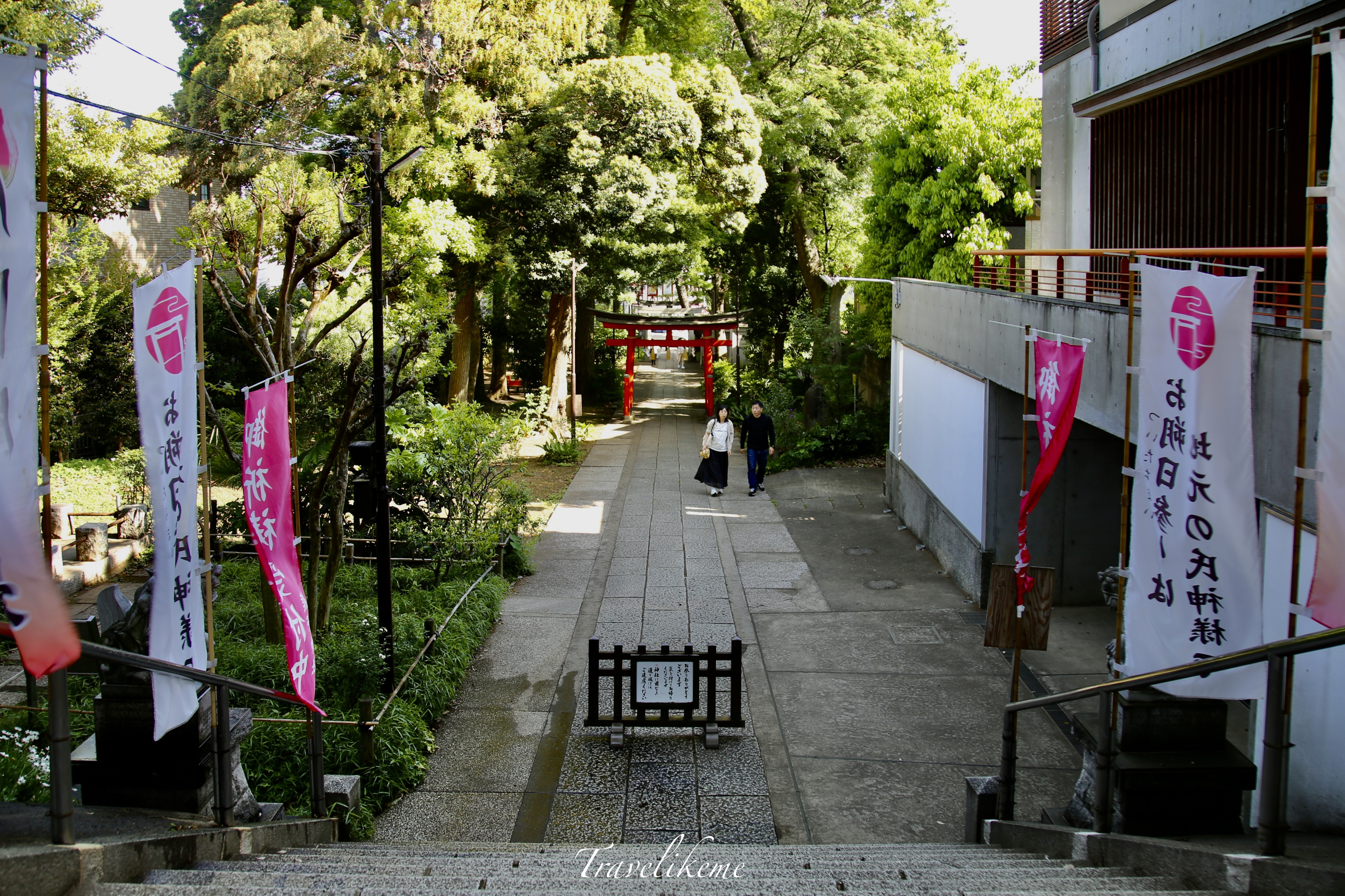
Nestled in the stylish neighbourhood of 自由が丘 Jiyugaoka or “Liberty Hill’ in southern Meguro, Tokyo Japan is this serene little shrine namely the 熊野神社 Kumano Jinja. I was wandering around the area appreciating the nice middle-class houses before stumbling upon the Shrine which is located on a quieter back street. The first two 鳥居 Torii gates are made of stone and the third one is interestingly a wooden one painted in bright vermillion.
自由が丘 Jiyugaoka is a popular location for shopping and a relaxing place to enjoy a day trip. You can manoeuvre around the narrow streets to find interesting boutiques, shops, cafes and restaurants where you can meet the locals and soak in the lively ambience.
鳥居 Torii gates symbolically segregate the mundane human world from the sacred space in a Shinto shrine, thereby representing a gateway to the divine realm. Found at the entrances of most Shinto shrines, the 鳥居 Torii gates also serve to ward off evil spirits and signify purification.
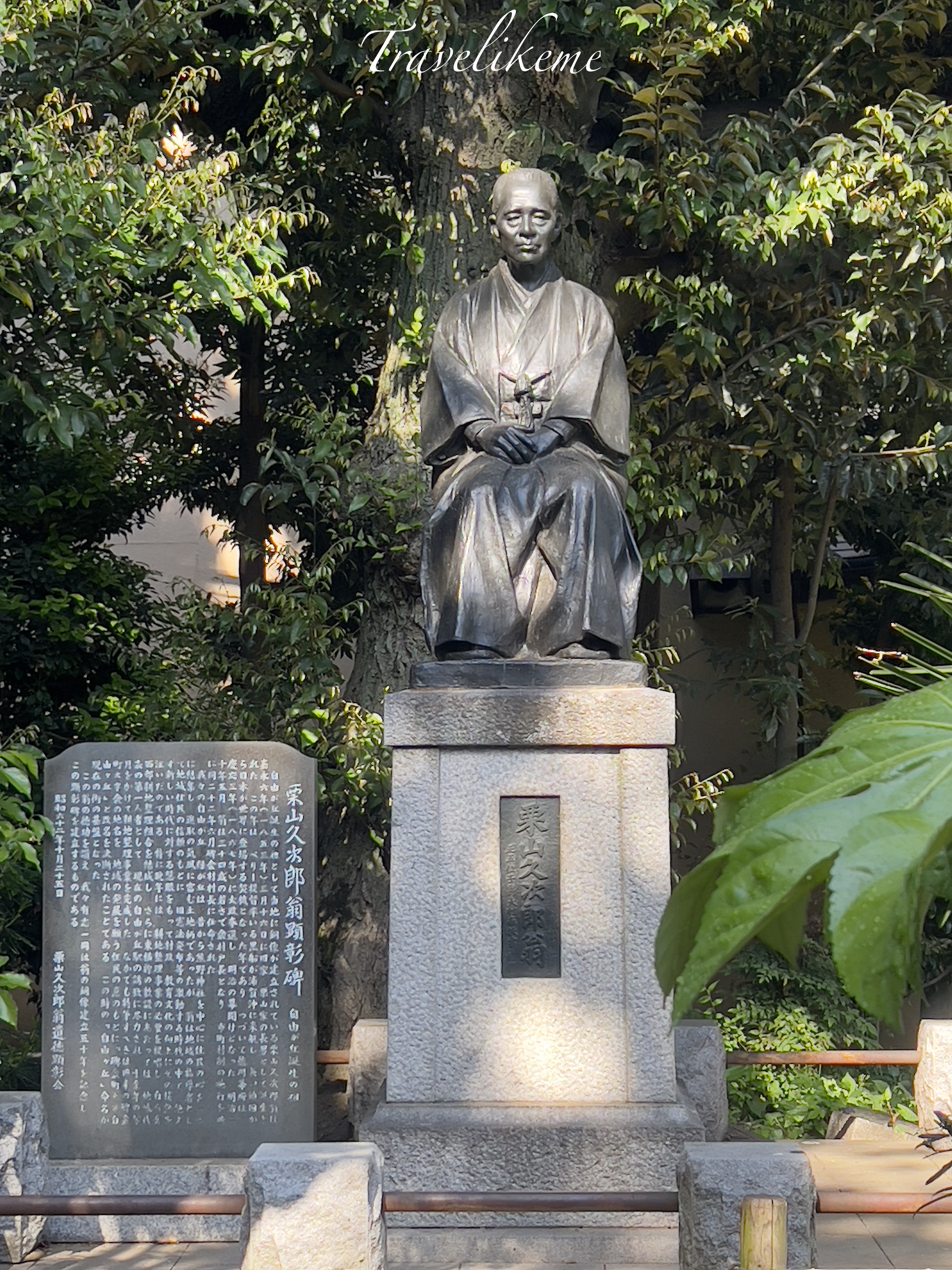
Monument and Statue erected on 25th Oct 1985 in honour of Mr Kuriyama Kyujiro. 栗山久次郎 who named the 自由が丘 Jiyugaoka area.
It is said that 熊野神社 Kumano Shrine has a history of over 800 years dating back to the Kamakura Period (1185-1333). Revered as the guardian diety of 自由が丘 Jiyugaoka.
Worshippers come here to pray for blessings and protection and for some to aid them in finding love and having children.
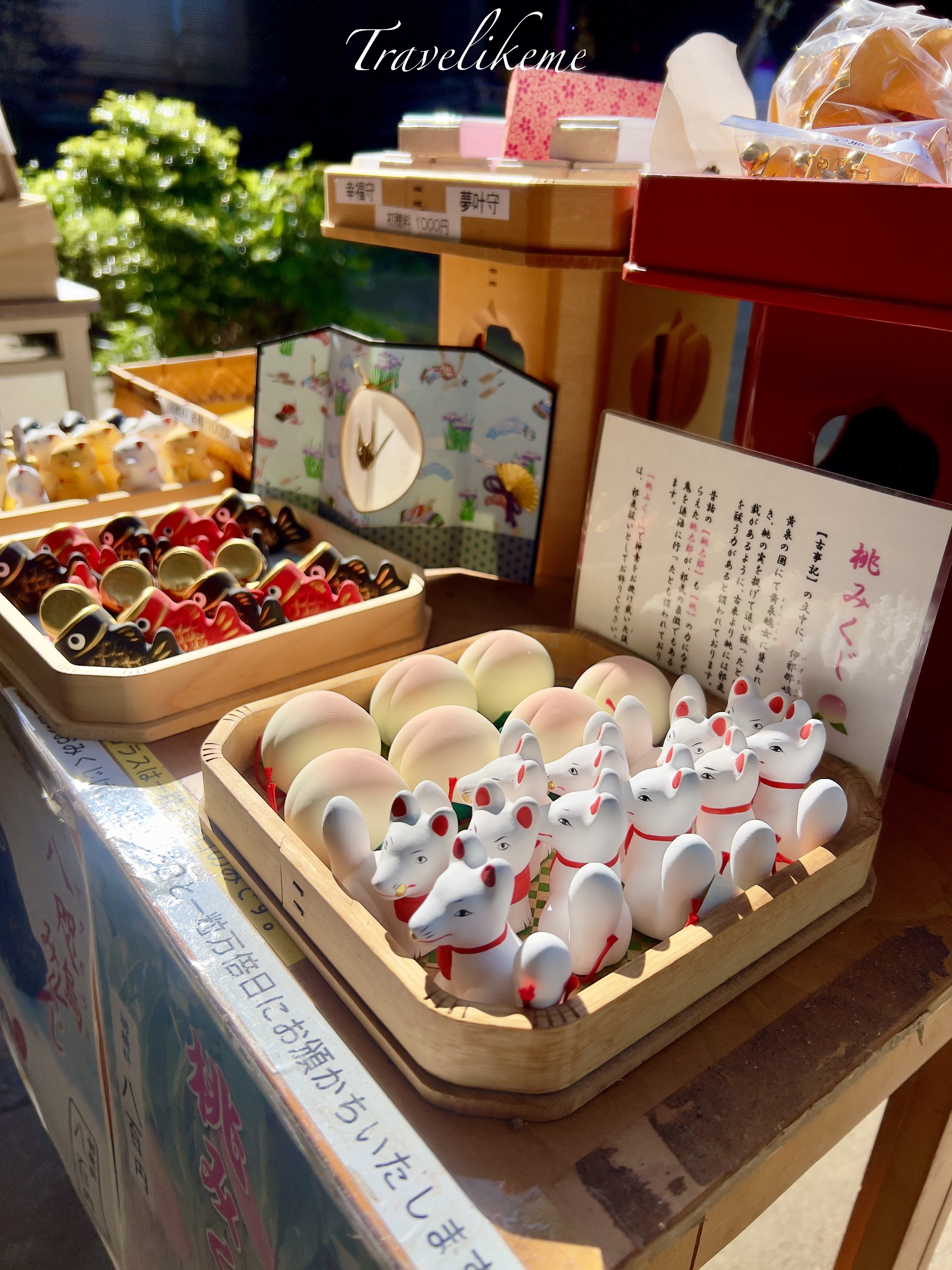
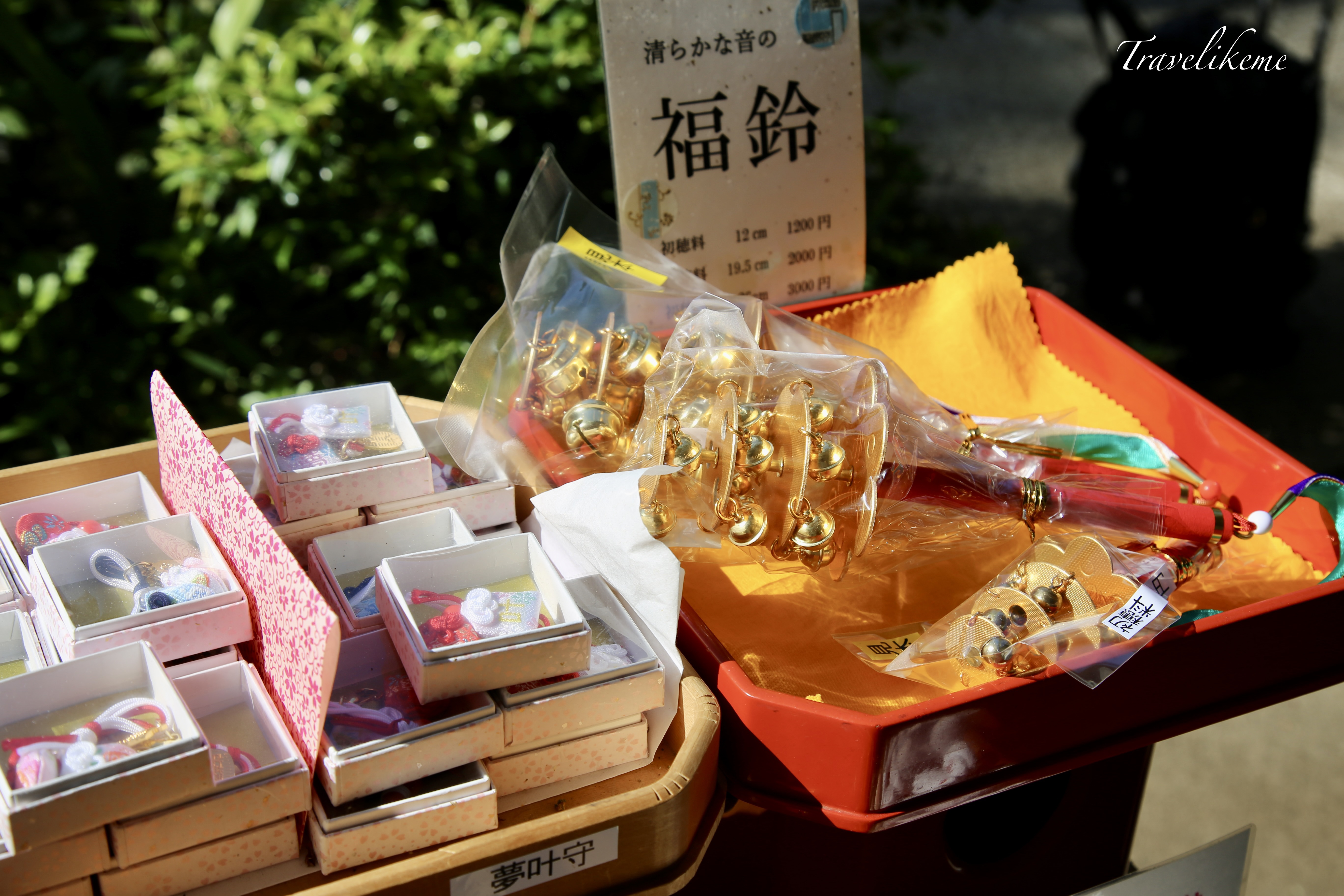
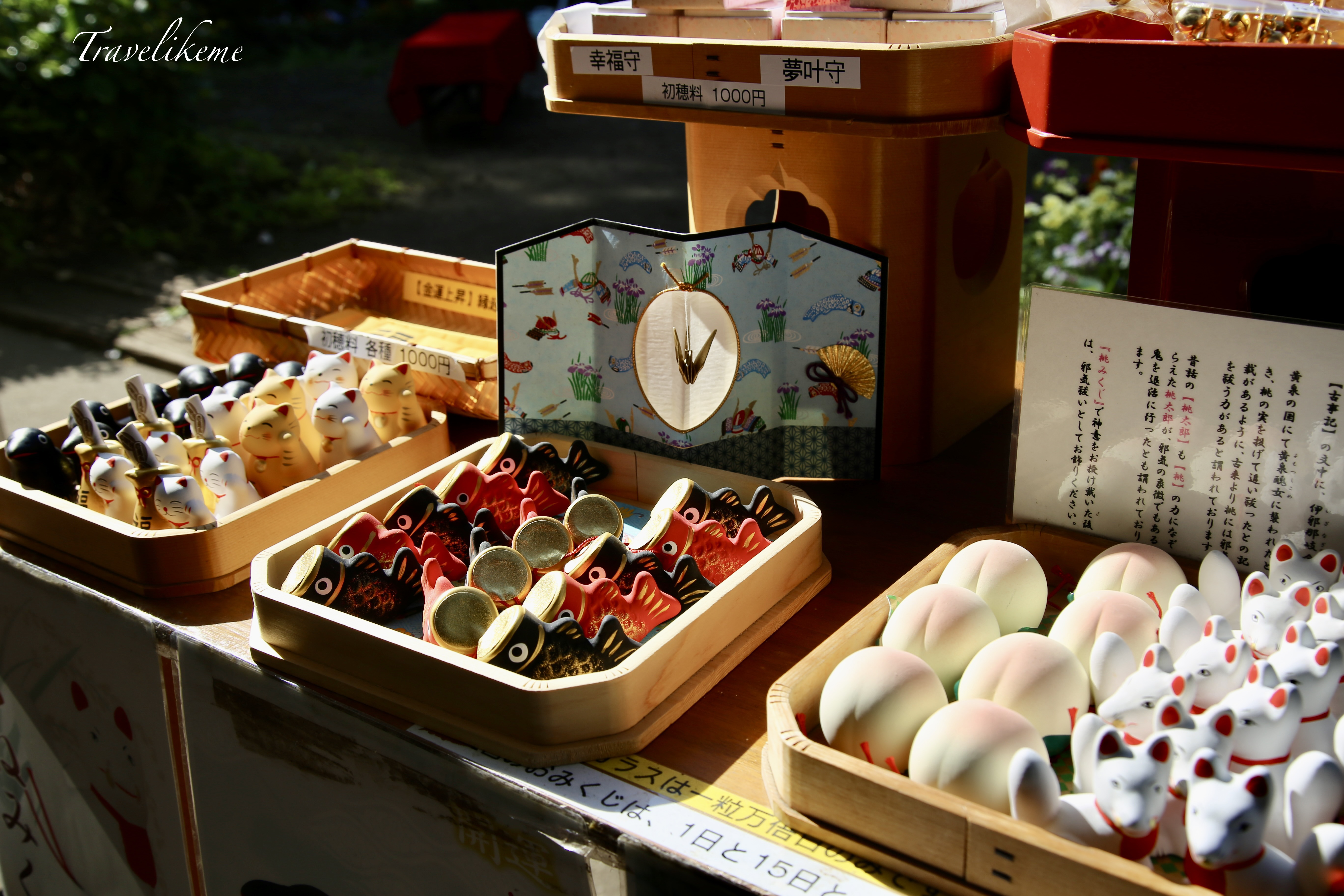
Little amulets or 御守り Omamori for protection and souvenirs are also sold here at the shrine shop besides the sales of 御神籤 Omikuji – paper fortunes received by making a small offering.
招き猫Maneki-neko (Beckoning Cat that brings good luck to the owner; 錦鯉 Koi figurine (represents strength, perseverance and transformation); 桃 Peach (symbolizes longevity, femininity and the expulsion of evil); and the 狐 Kitsune (Fox deemed as supernatural beings for their intelligence, magical abilities and complex nature often serving as messengers for the Shinto deity 稲荷神 Inari, god of rice, fertility and prosperity).
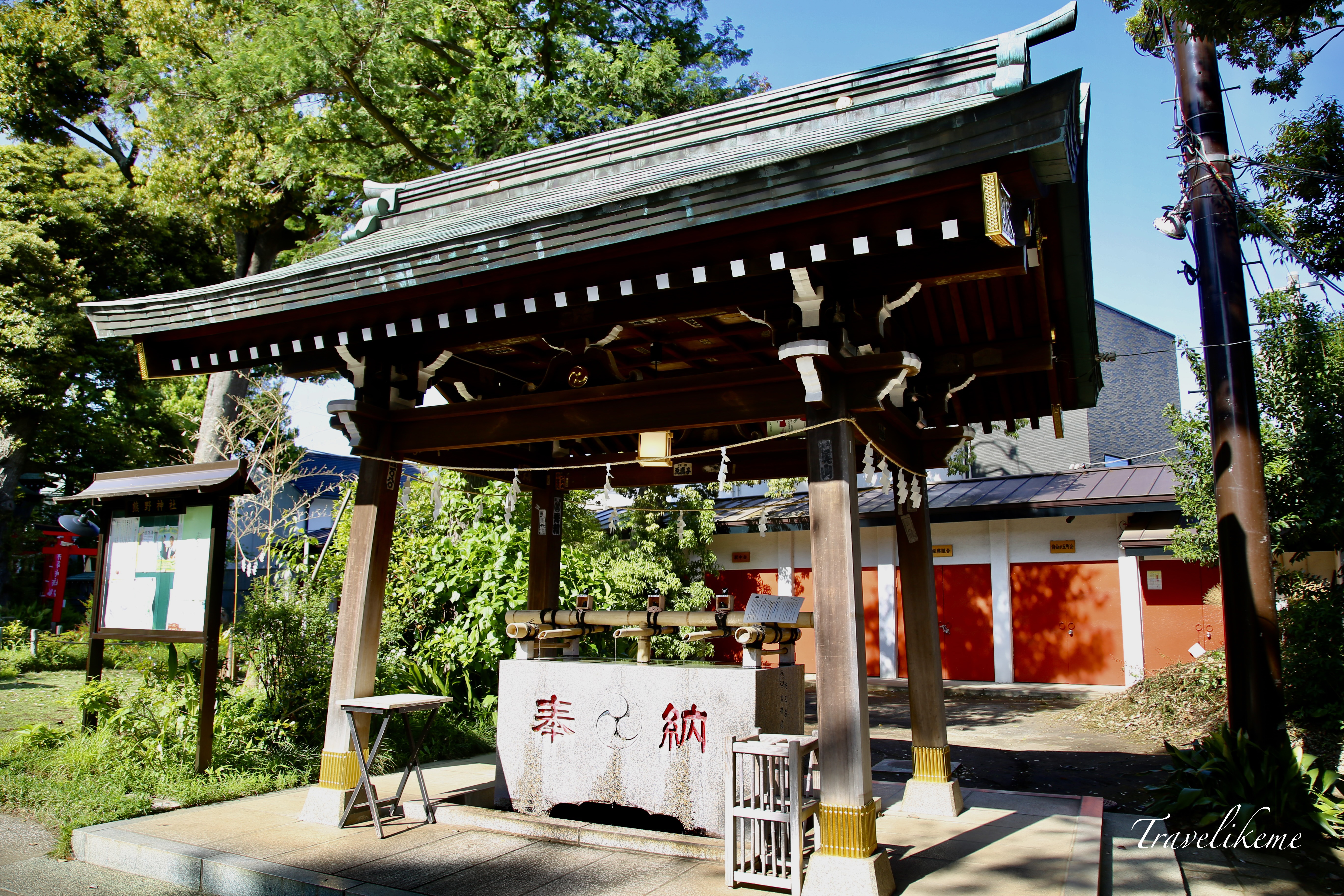
A 手水舎Temizuya is a purification basin used for ritual ablutions before entering sacred grounds. The ritual involves rinsing the left hand, then the right and rinsing the mouth by spitting the water beside the basin and finally rinsing the ladle’s handle for the next person.
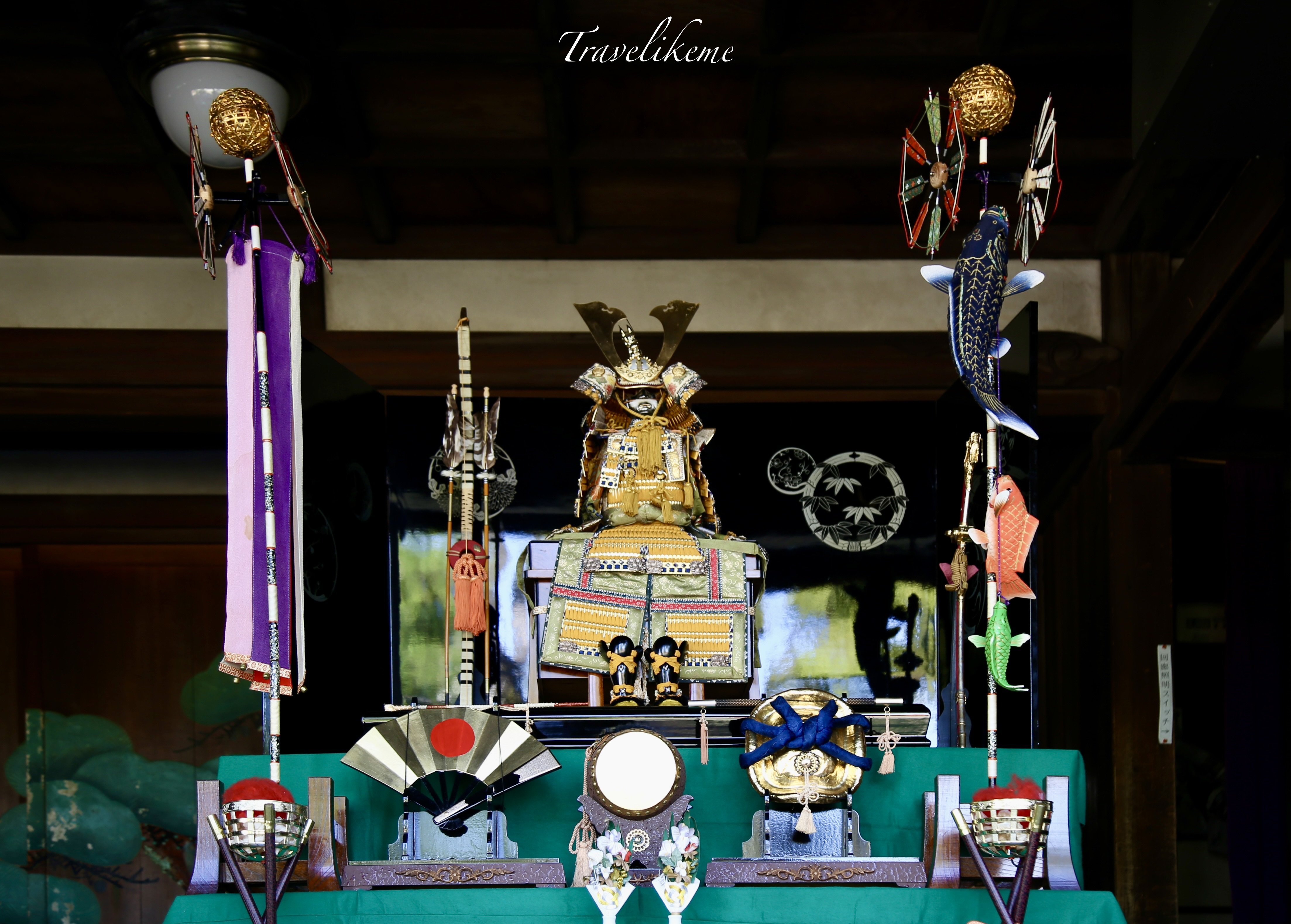
This is a 神輿 Mikoshi which is a sacred miniature portable shrine carried on long poles used to transport a deity to a temporary resting place or around a community during festivals to bring blessings. The Kumano Shrine Annual Festival is held on the first Sunday of September to pray for good harvest.
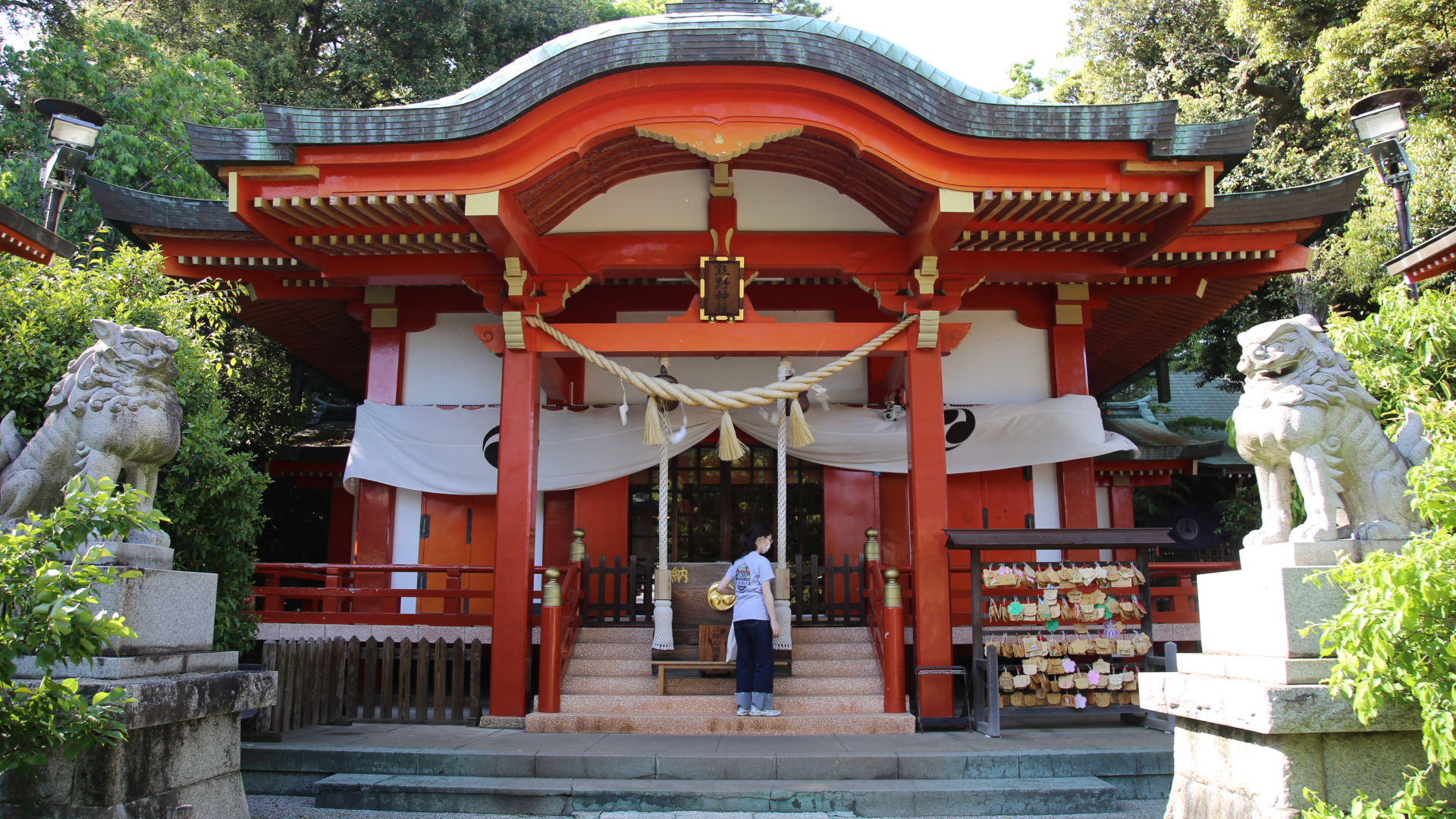
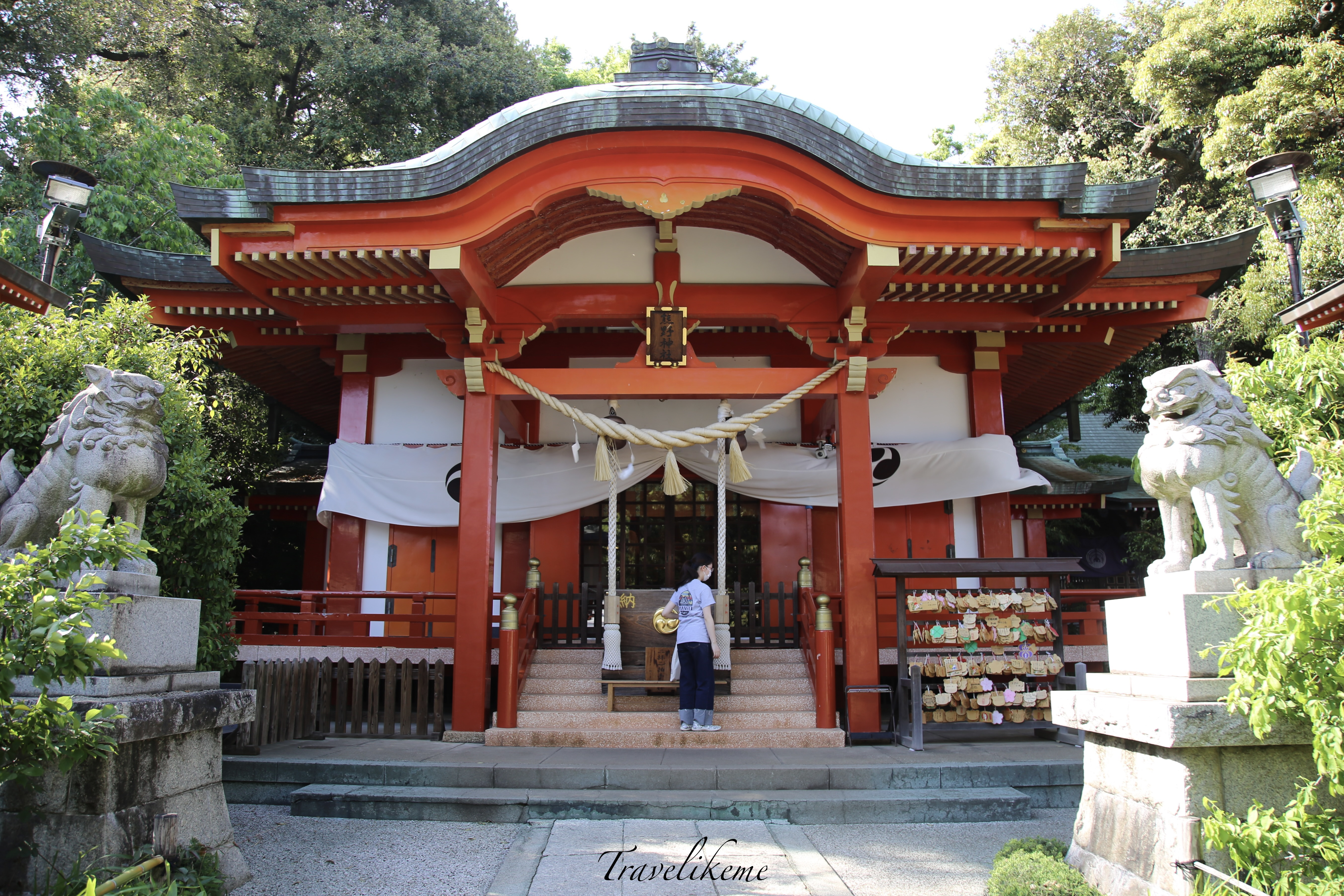
This is the 本殿Honden main shrine building of Kumano Shrine which is flanked by an imposing pair of 狛犬Komainu or ‘lion dogs’ which protected the holy grounds from evil spirits. On the left is ‘ungyo’ with the closed mouth and the ‘agyo’ having a closed mouth. These pair of mythical beings are common features at Shinto shrines and Buddhist temples across Japan with a long history of influence from Buddhist traditions originating in India and China.
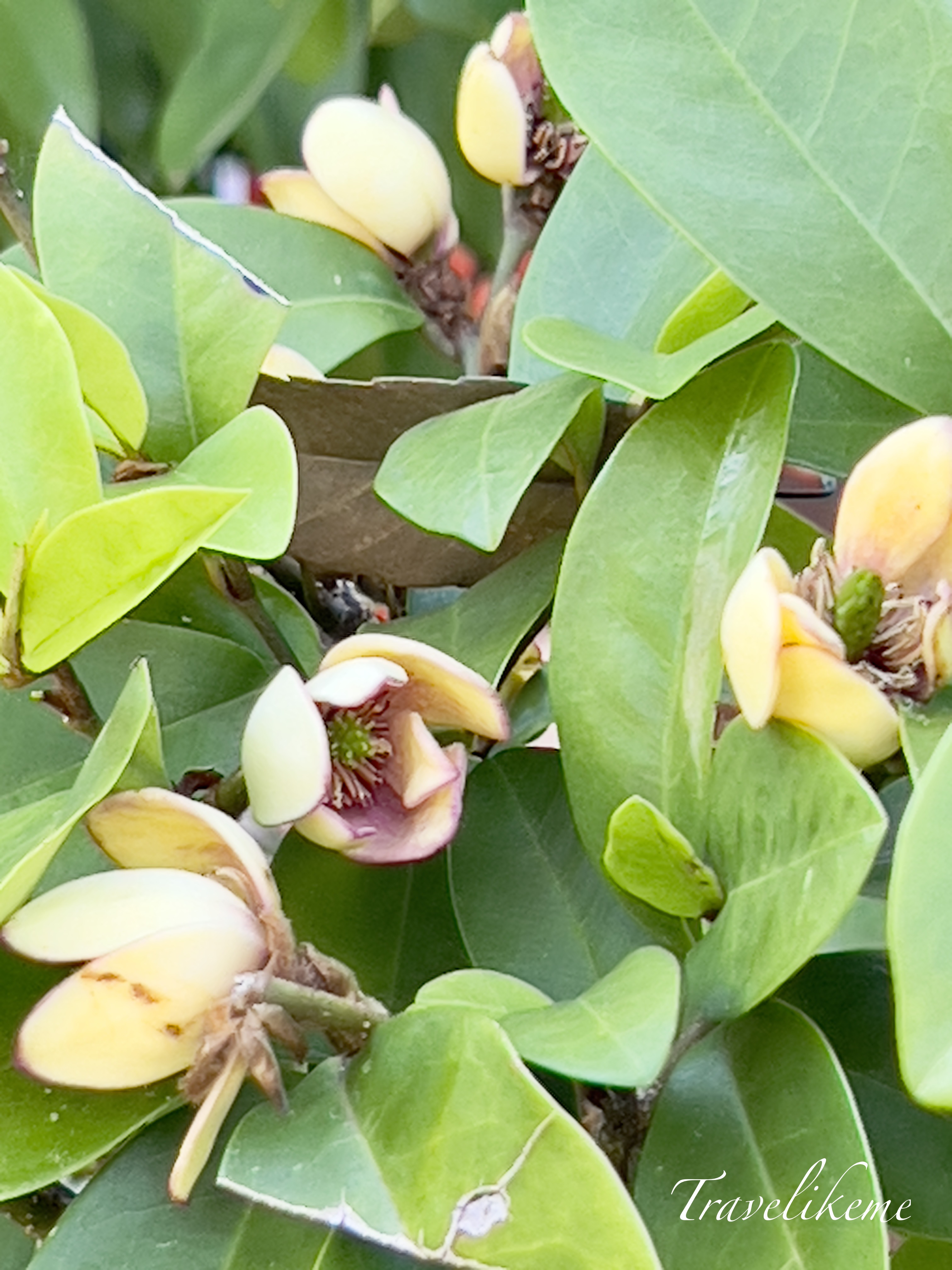
This Magnolia Figo plant is a species of the Magnolia and gives off a sweet and pleasing scent although their pretty blossoms are much tinier than those of the Magnolia tree.
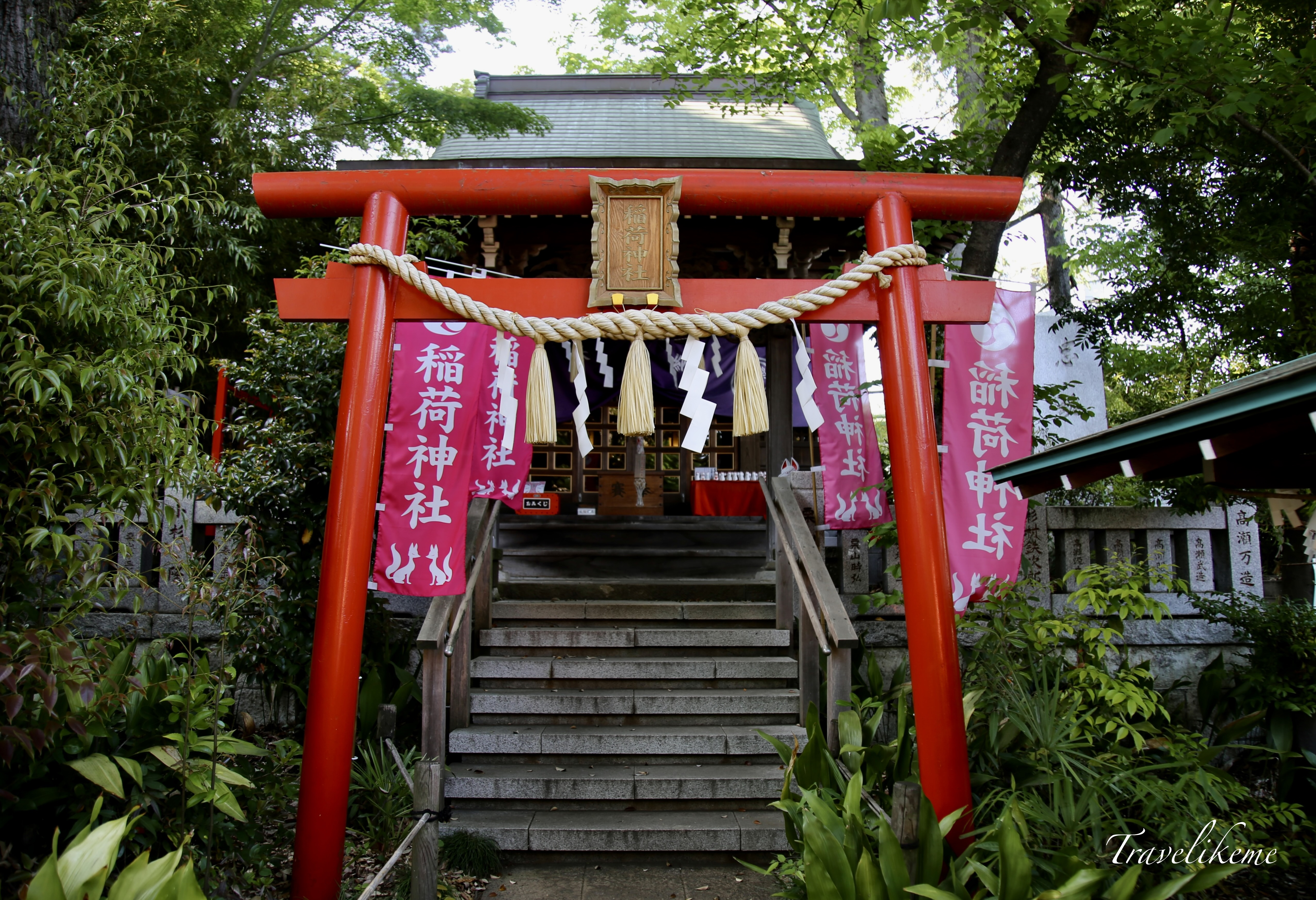
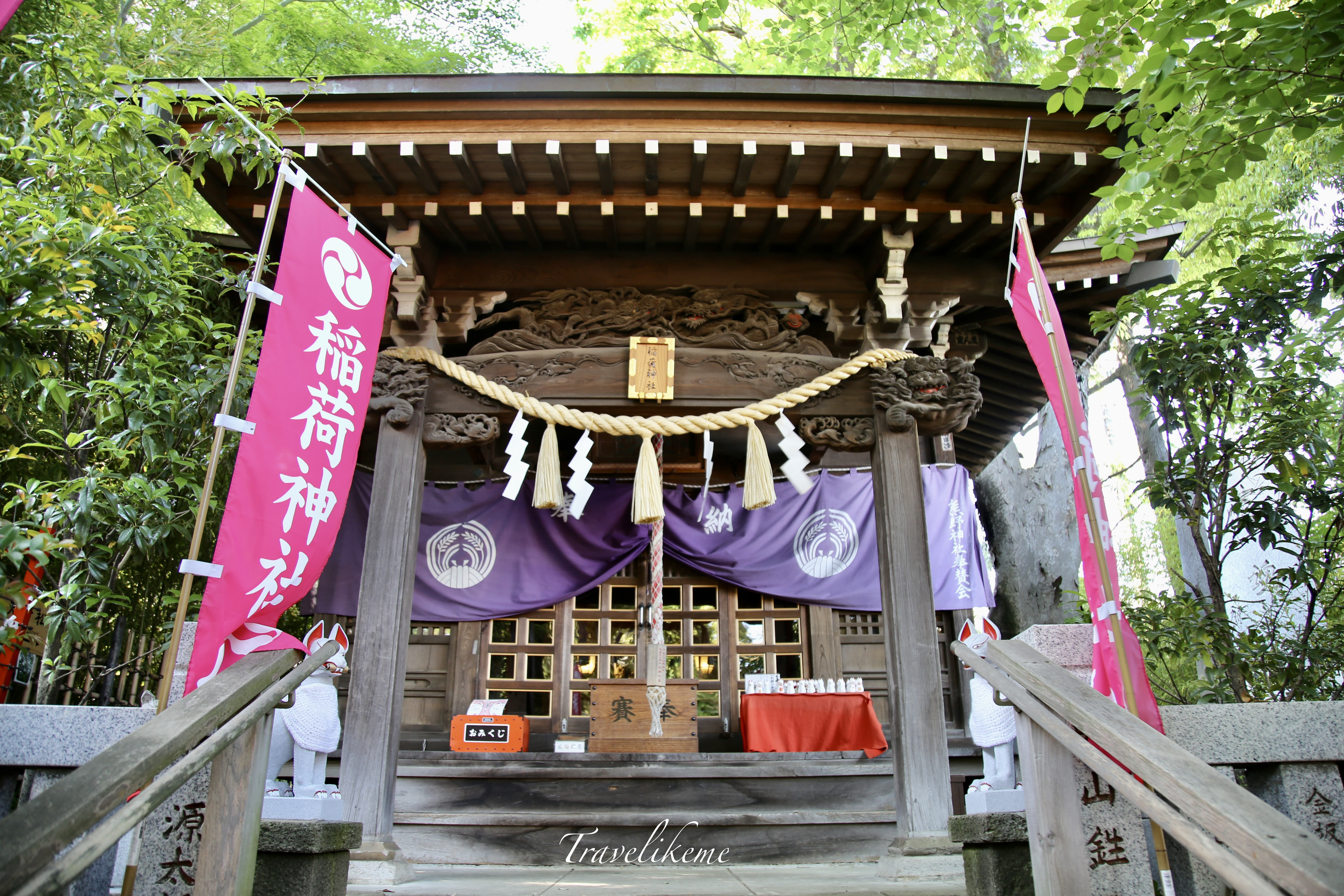
Walking further in, adjacent to the Main Shrine building is the 稲荷神社 Inari Jinja within the Kumano Shrine complex.
神稲荷Kami Inari is a deity associated with foxes, rice, household well-being, business prosperity and general prosperity.
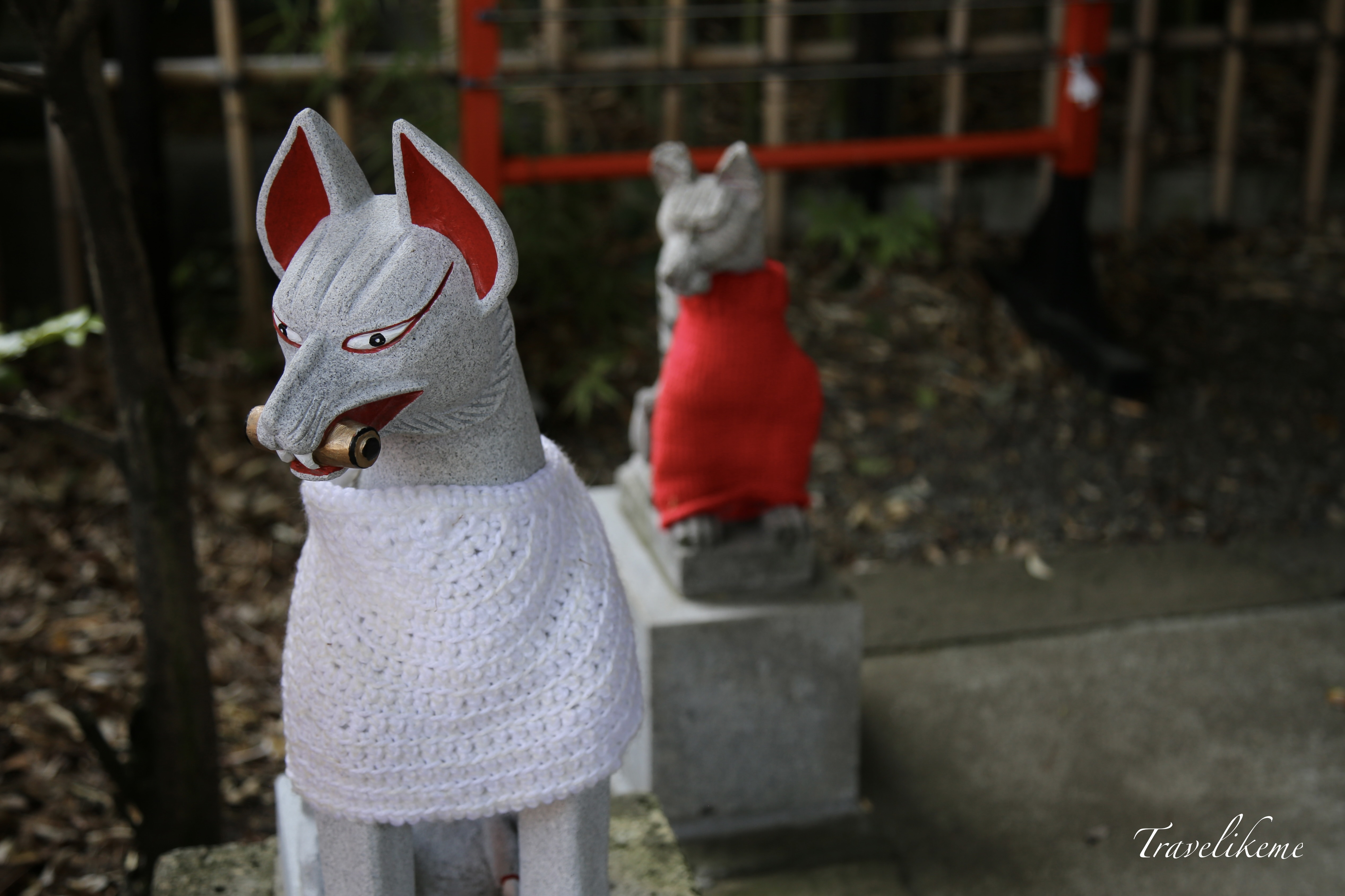
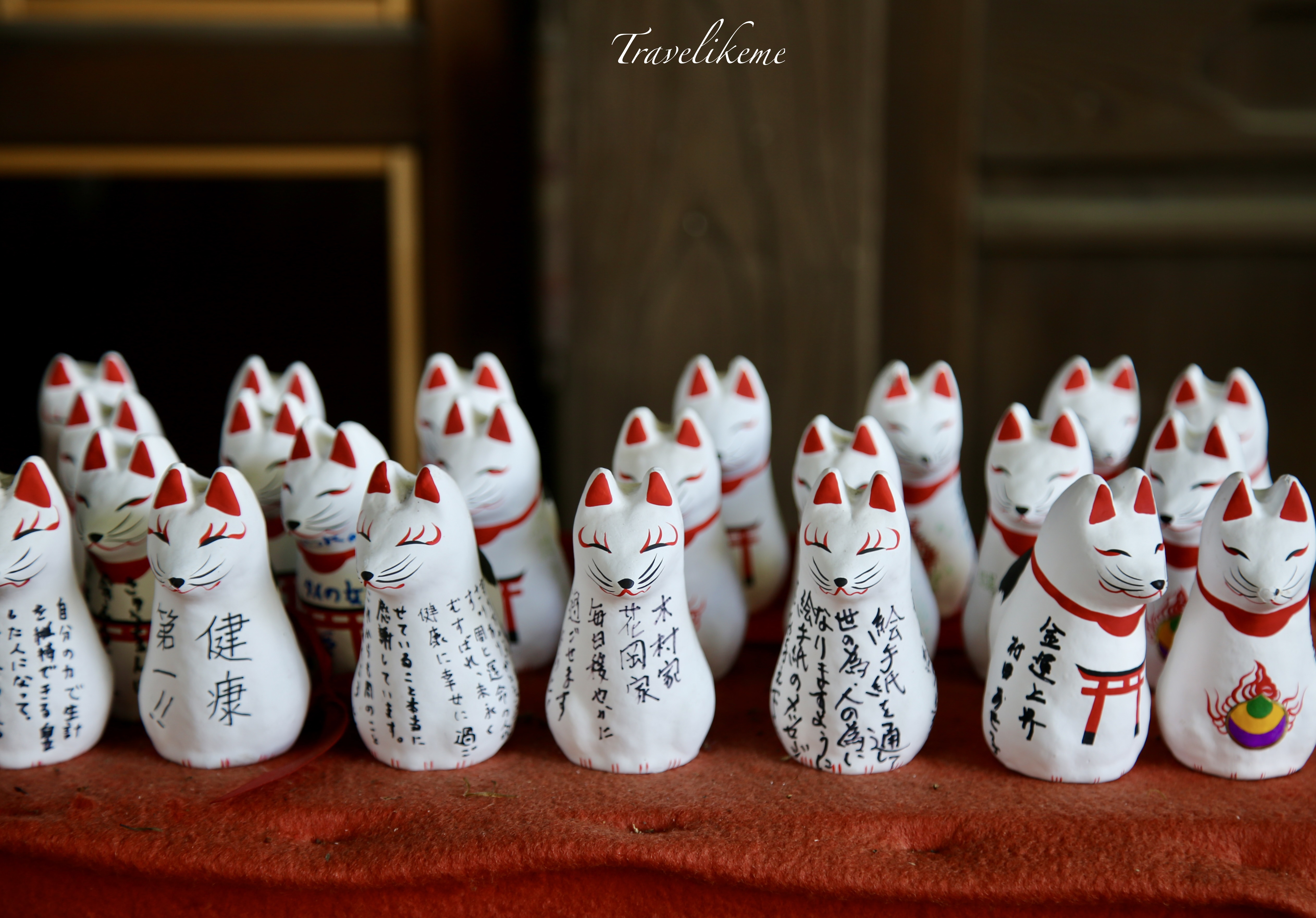
These 狐Kitsune – foxes statues are found throughout the grounds and they are considered the messengers of 神稲荷Inari Okami. They often hold symbolic items like a key to the granary or a scroll in their mouths as seen here.
More 狐Kitsune figurines with prayers and wishes written on them and presented to 神稲荷Inari Kami.
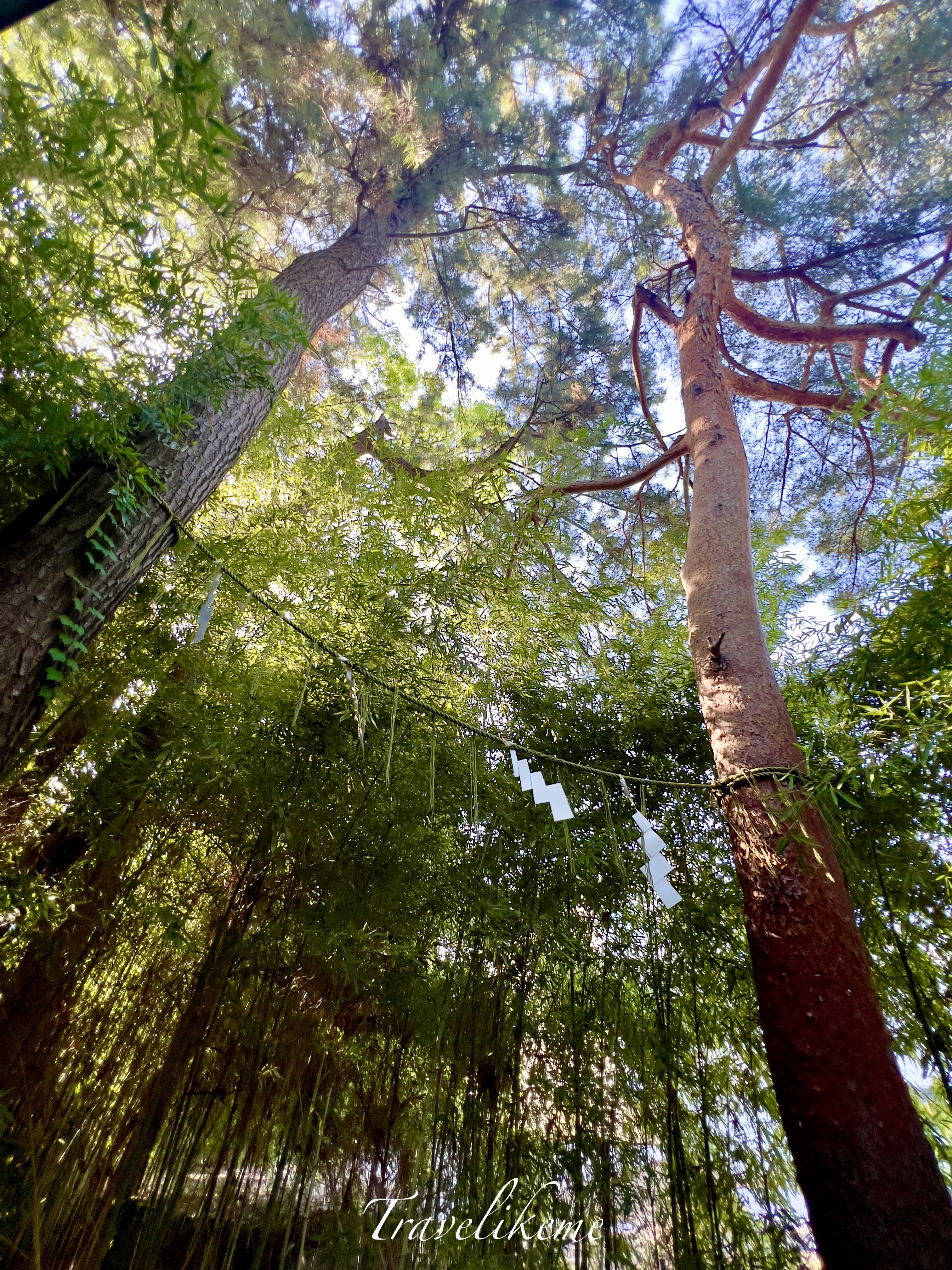
Right at the back of the Inari Shrine amongst a bamboo grove is a pair of Hinoki Cypress trees that seem to embrace each other. This pair of 結びの木Musubi no Ki – Married Trees are connected with a しめ縄 Shimenawa to symbolise a loving, sacred union. The braided hemp rope is adorned with しでShide – white paper streamers zigzag shaped that represent lightning and are used to ward off evil spirits and signify a purified space.
My visit to Kumano Jinja was surprisingly very pleasant and totally relaxing. Though the grounds are relatively small compared to many other Shrines I have been to, the vibes here is very zen and welcoming. Not crowded since it was not a festival day, a slow stroll through the complex allowed me to do some quiet reflection and I left the place feeling a lot lighter in my spirit.
 travelikeme