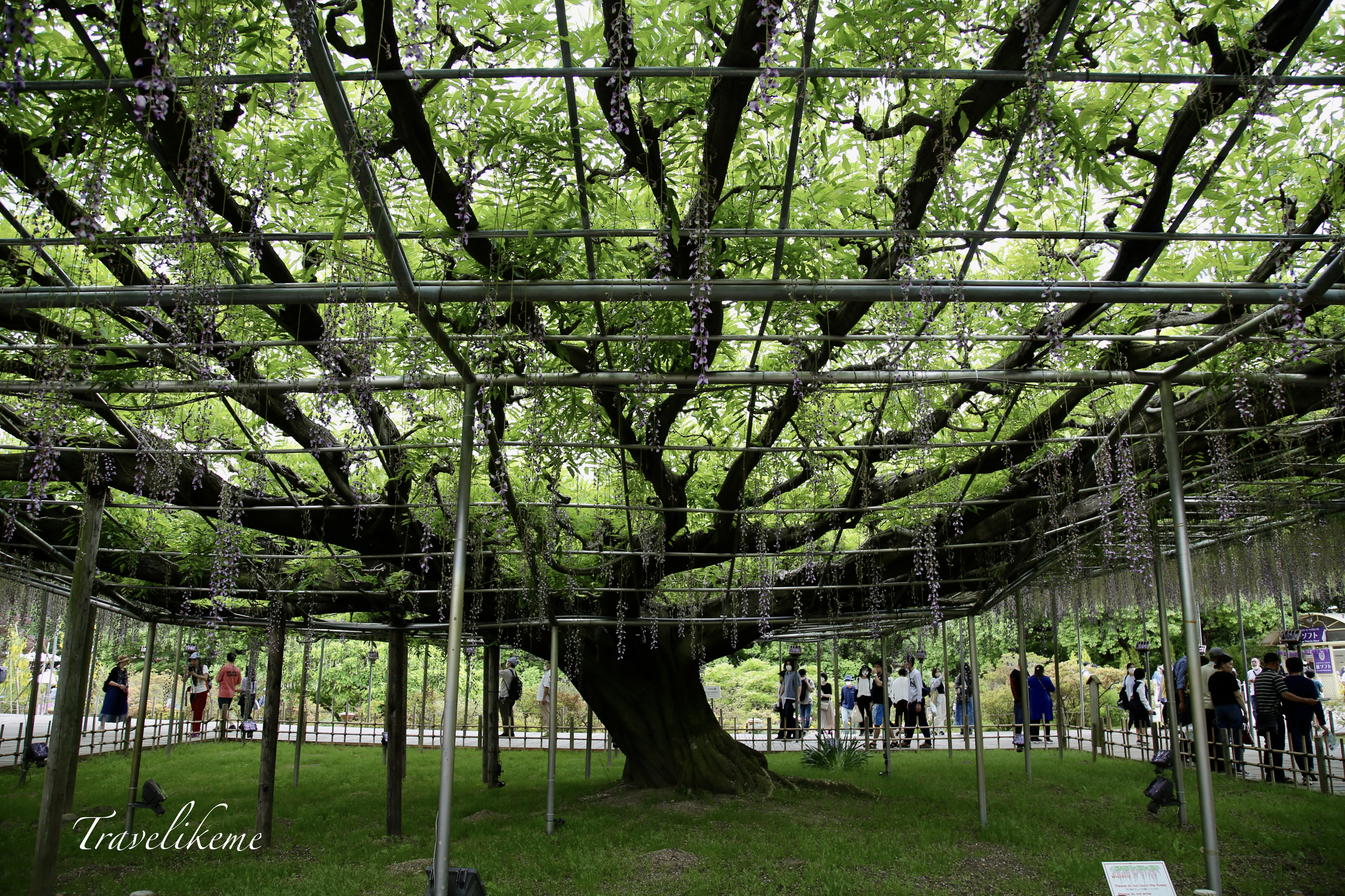
This is the 150 year old Wisteria tree within Ashikaga Flower Park which is prominent and draws many people to the park especially when it is in full bloom and looks surreal and simply spectacular. Ashikaga Flower Park situated in Ashikaga, Tochigi Prefecture is just 1.5hours away from Tokyo by train.
The bee frolics amongst the delicate pink, sweet smelling and multi petalled Peony. The peony shrub can live over 100 years and the cut flowers have a shelf life of over a week in a vase. In floral language, Peonies represent good fortune, happy marriage, riches, honour, compassion and surprisingly, bashfulness.
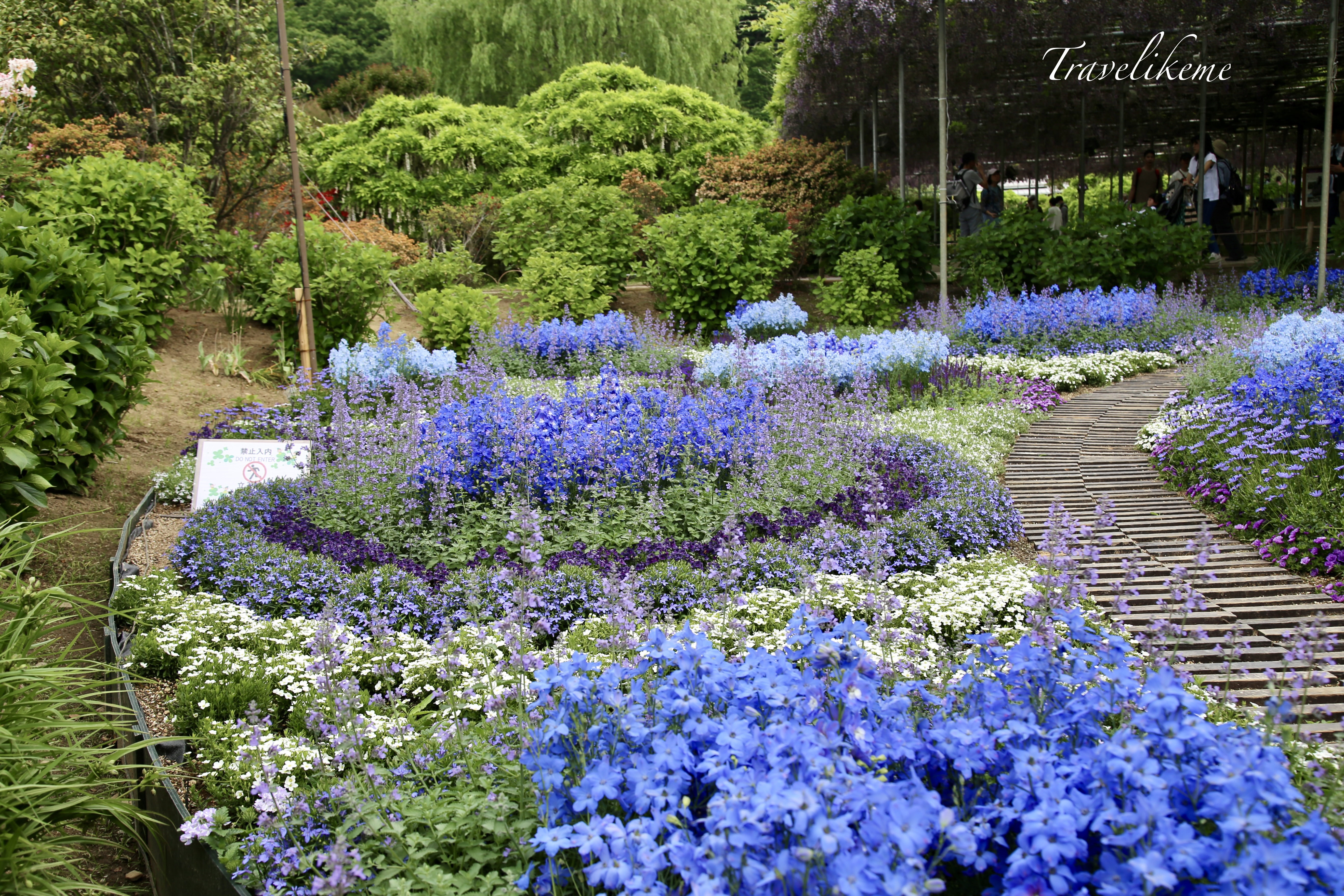
The different shades of blue and purple represented here by Periwinkles, Irises, Delphiniums, Mona Lavender make up a pretty flower bed.
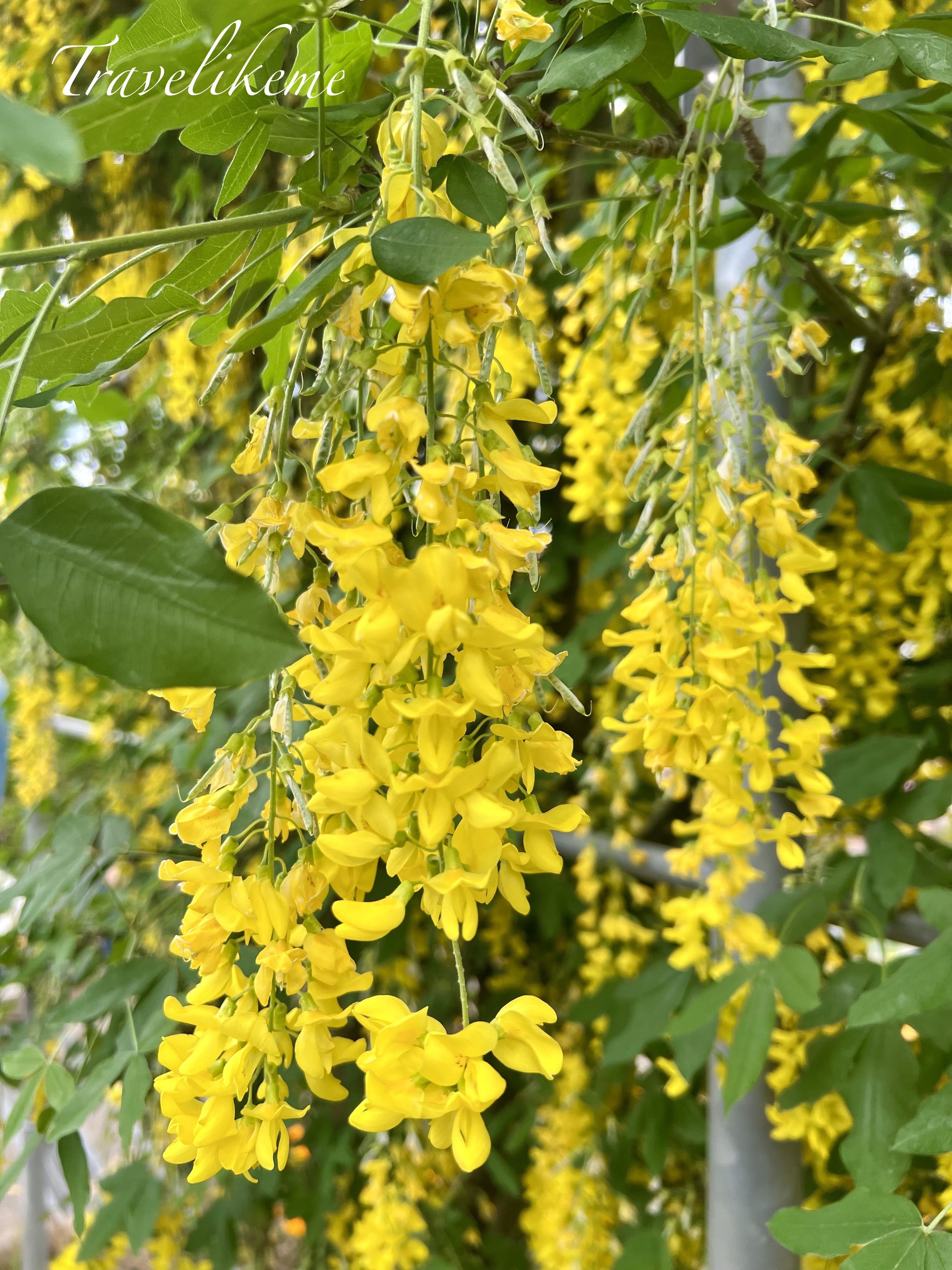
A burst of colour in this yellow Wisteria archway. Wisteria flowers come in a variety of colours including white, lilac, purple and pink. Flowering usually takes place in spring just before or as the leaves open. The flowers are fragrant and slightly musky in scent.
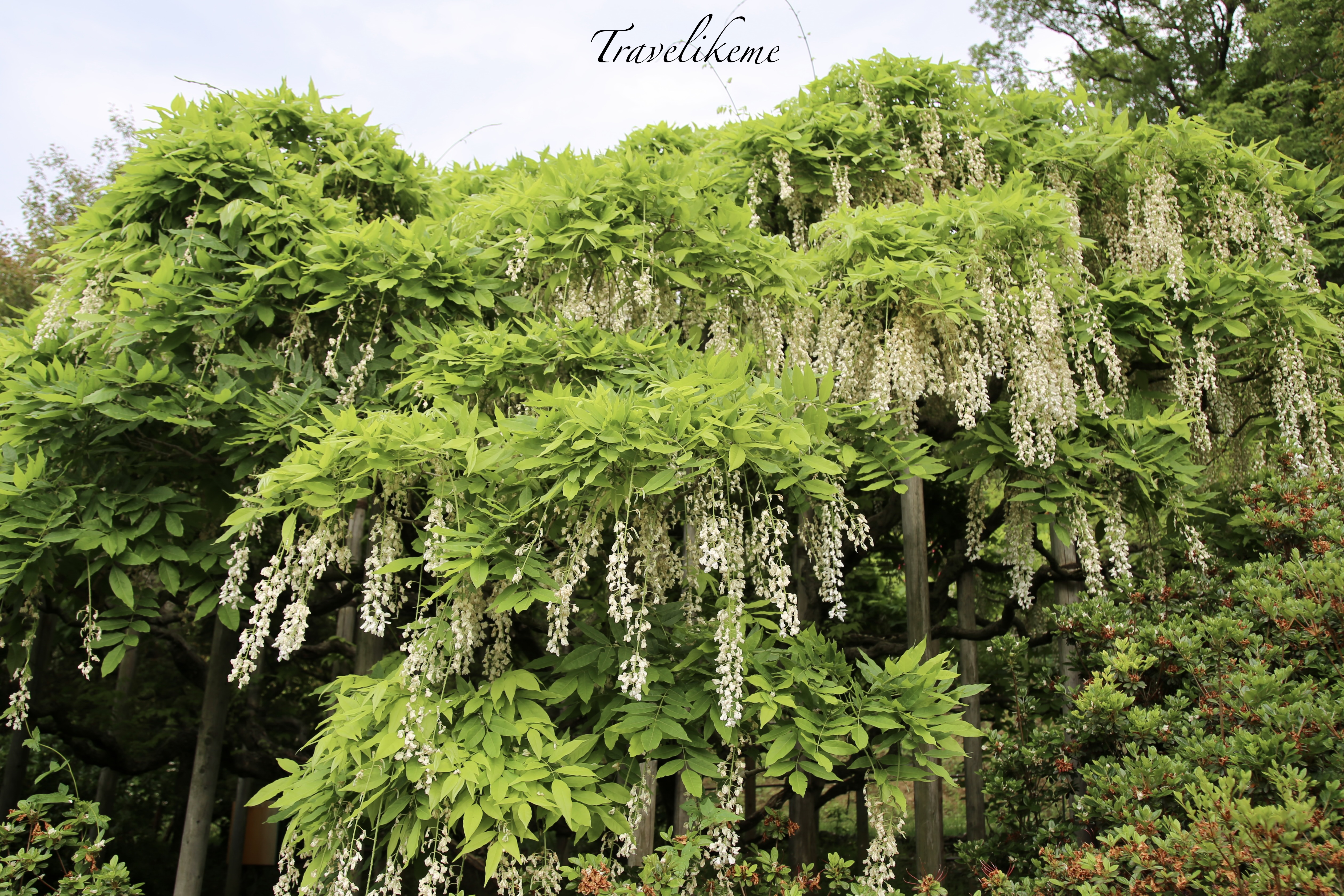
This is a welcome sight, as most of the purple wisteria trees have started to fade by early May. There is really no telling what the weather would be like and this year the flowering season began earlier than usual. The sakuras too bloomed earlier this year all over Japan and unfortunately we have to fly in from elsewhere and our timing was just slightly off.
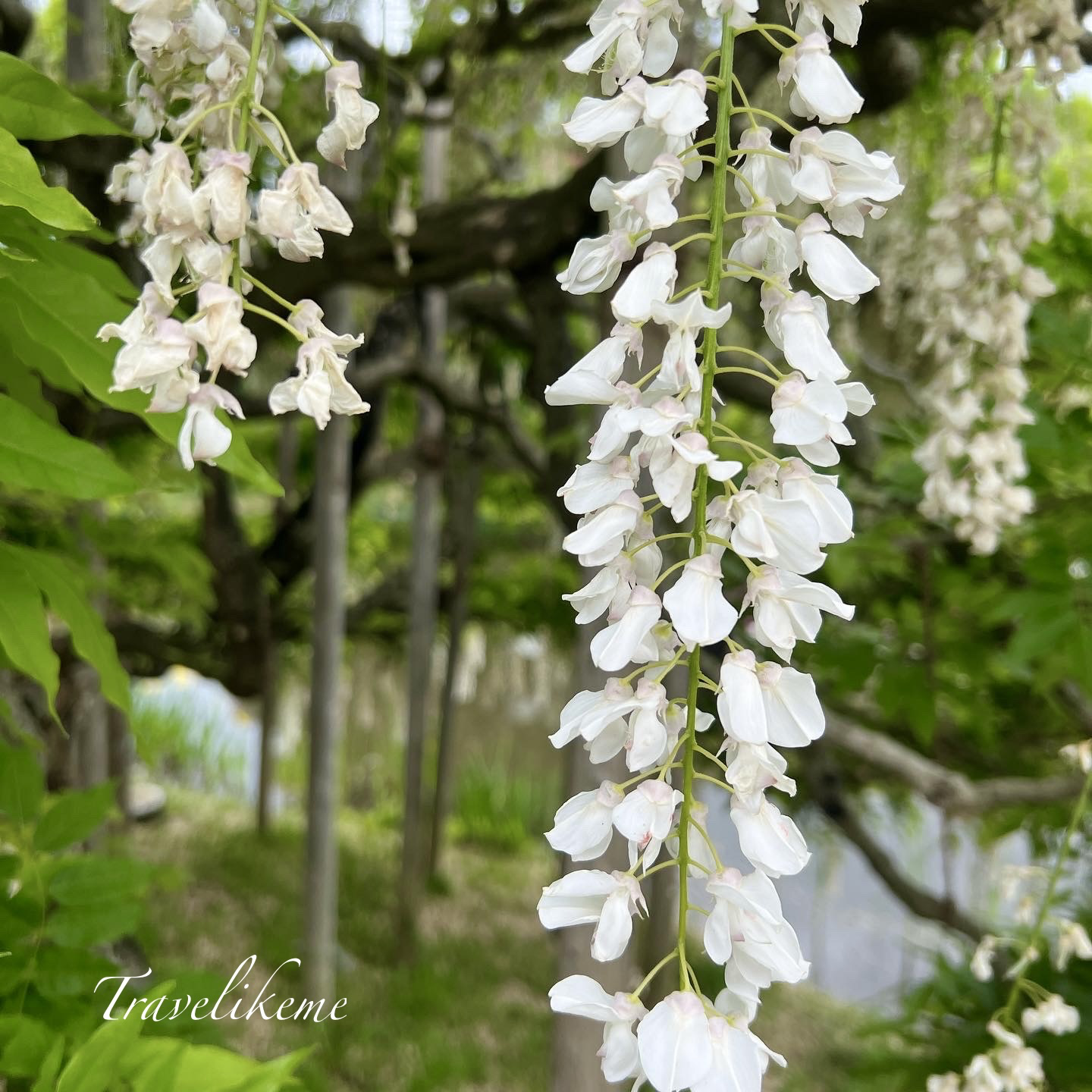
A close-up of a strand or raceme of wisteria bloom and we can see just how small and delicate the individual flowers are. In Japanese culture, the Wisteria represents love and longevity and they are often depicted in art, poems, family crests and formal kimonos.
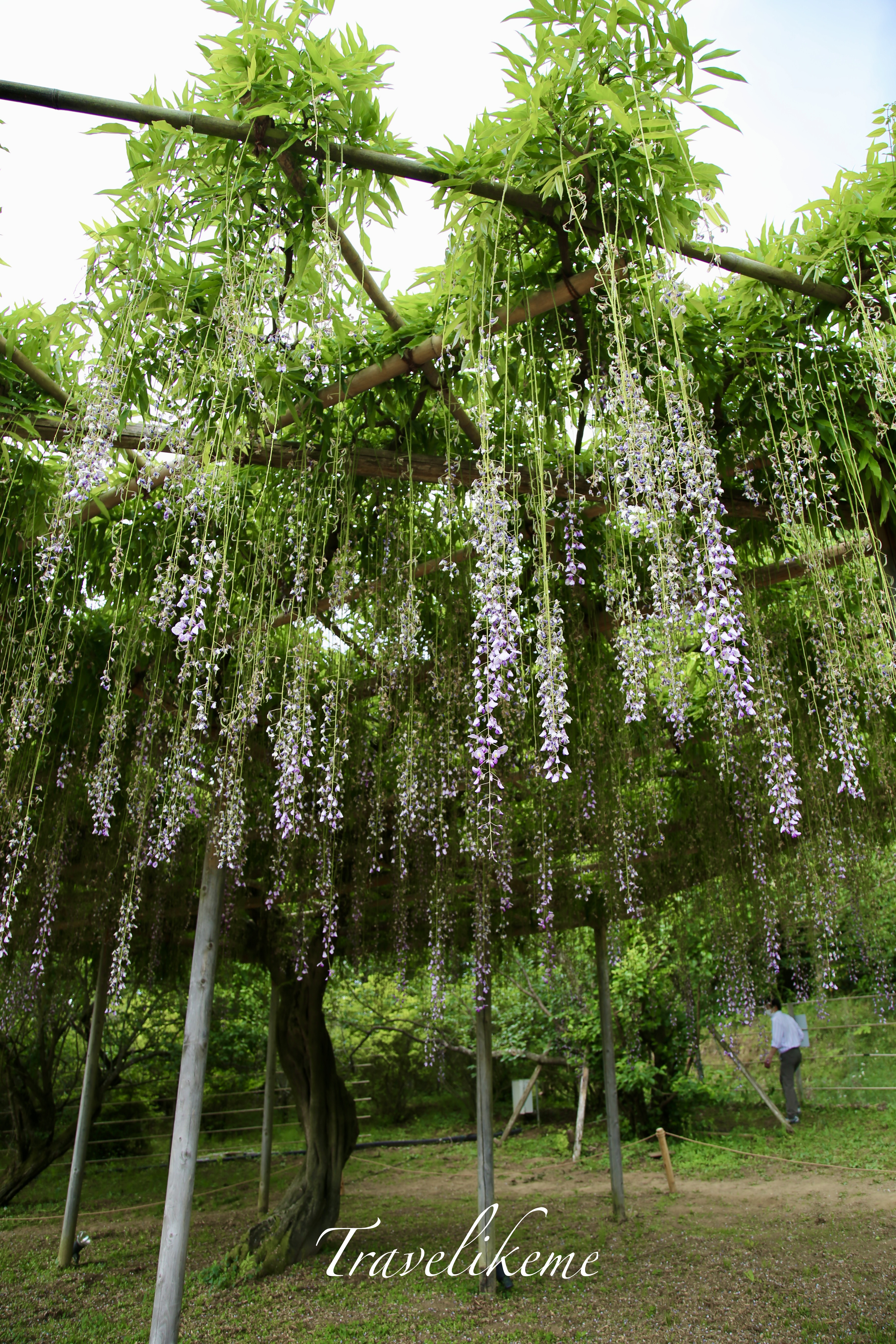
It does look like the wisteria tree is literally raining flowers down at us. The multiple racemes vary in length but Japanese Wisteria has the longest racemes at between 90-120cm in some cultivars.
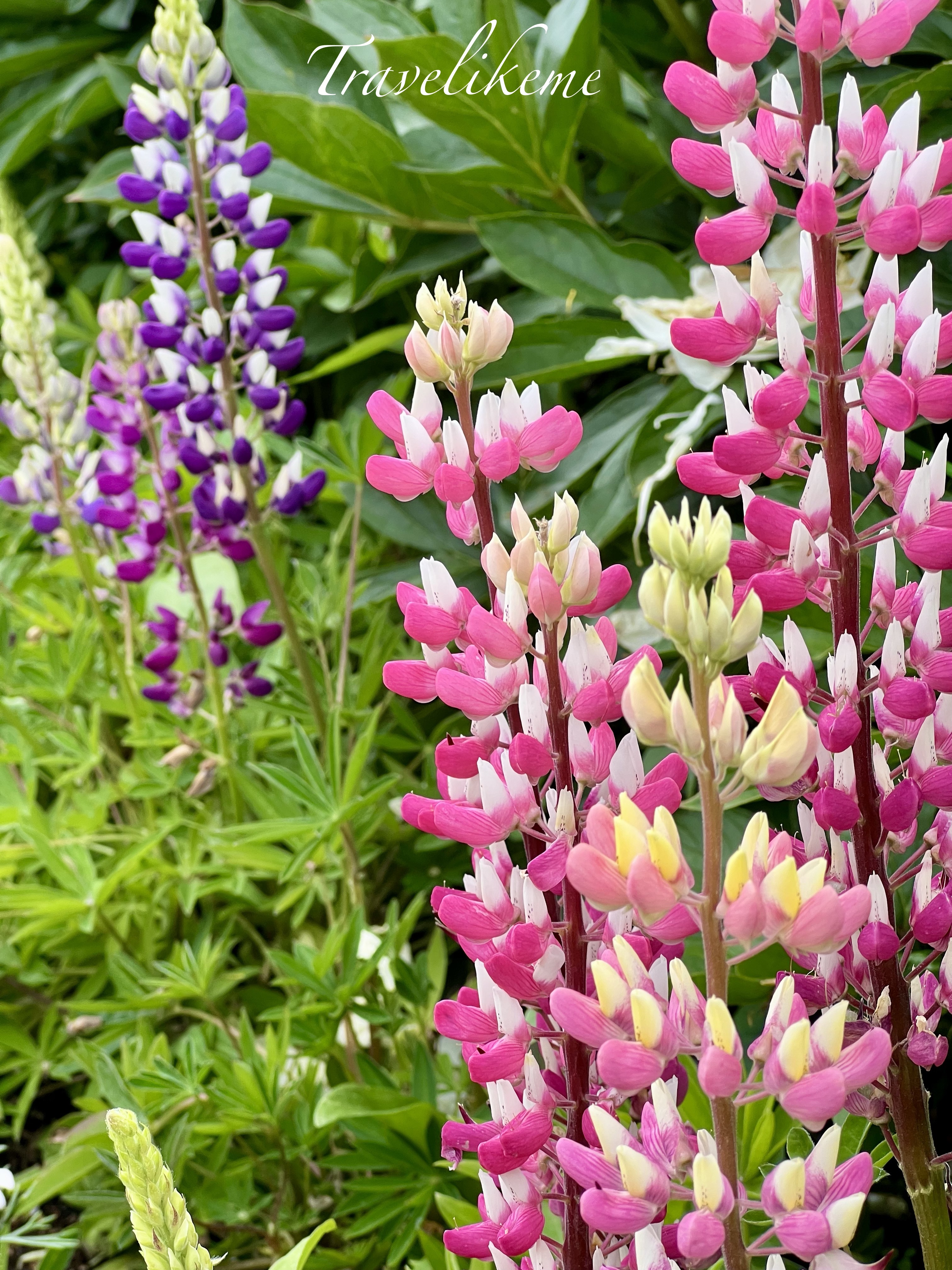
Lupines come in many colours and they produce the most beautiful flowers. They flourish for a pretty long time extending throughout springtime and summer.
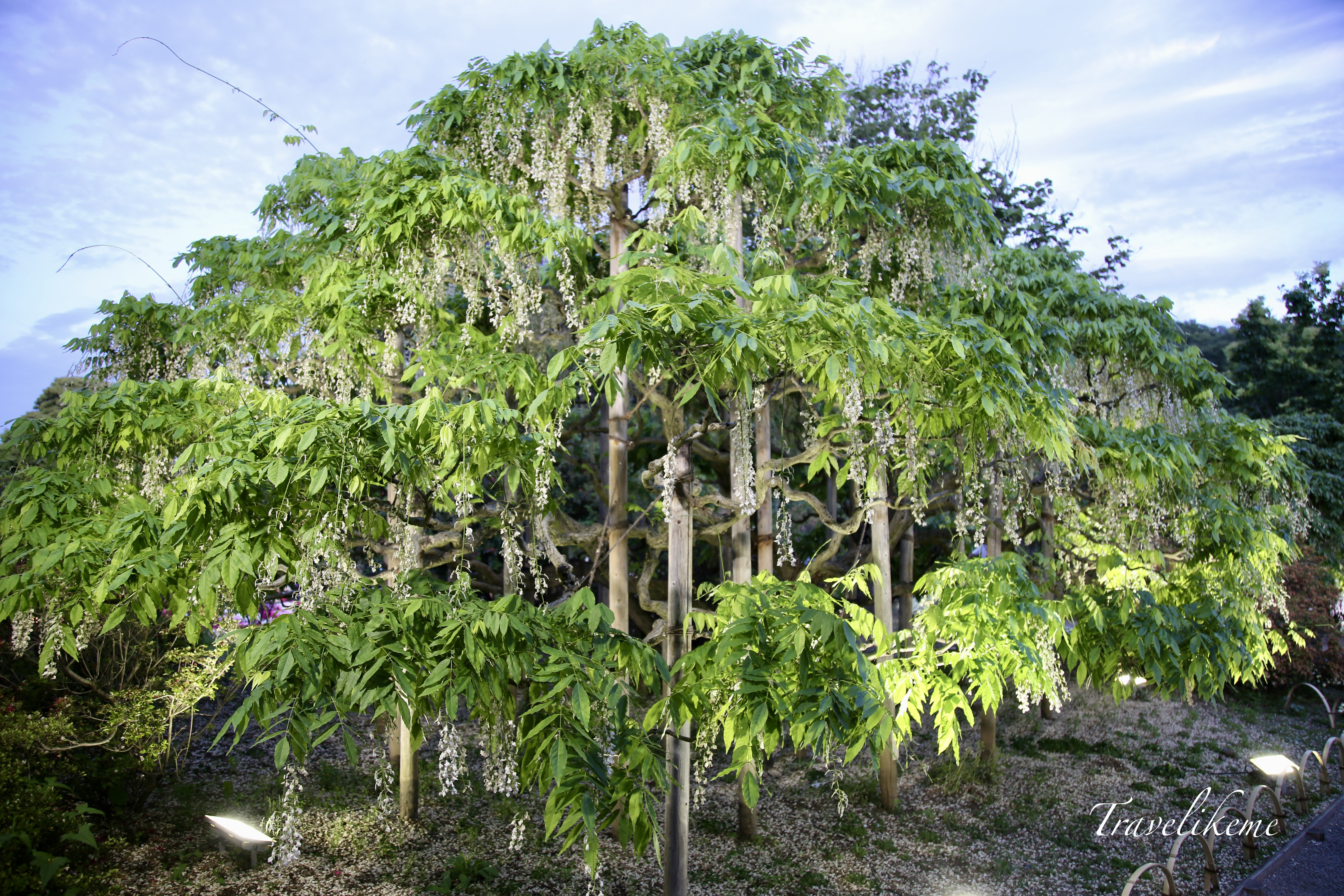
A good looking wisteria tree that is fanning out, with the strands of beautiful flowers flowing down and swaying ever so gently in the breeze. Wisterias climb by twining their stems around available support. Interestingly, Japanese Wisterias climb clockwise & Chinese Wisterias, anti-clockwise when viewed from above. Wisterias can climb up to 20m above the ground and spread out 10m laterally.
Chanced upon ths Grey Heron which was patiently waiting at lakeside and stalking its prey. There were lots of fishes in the pond.
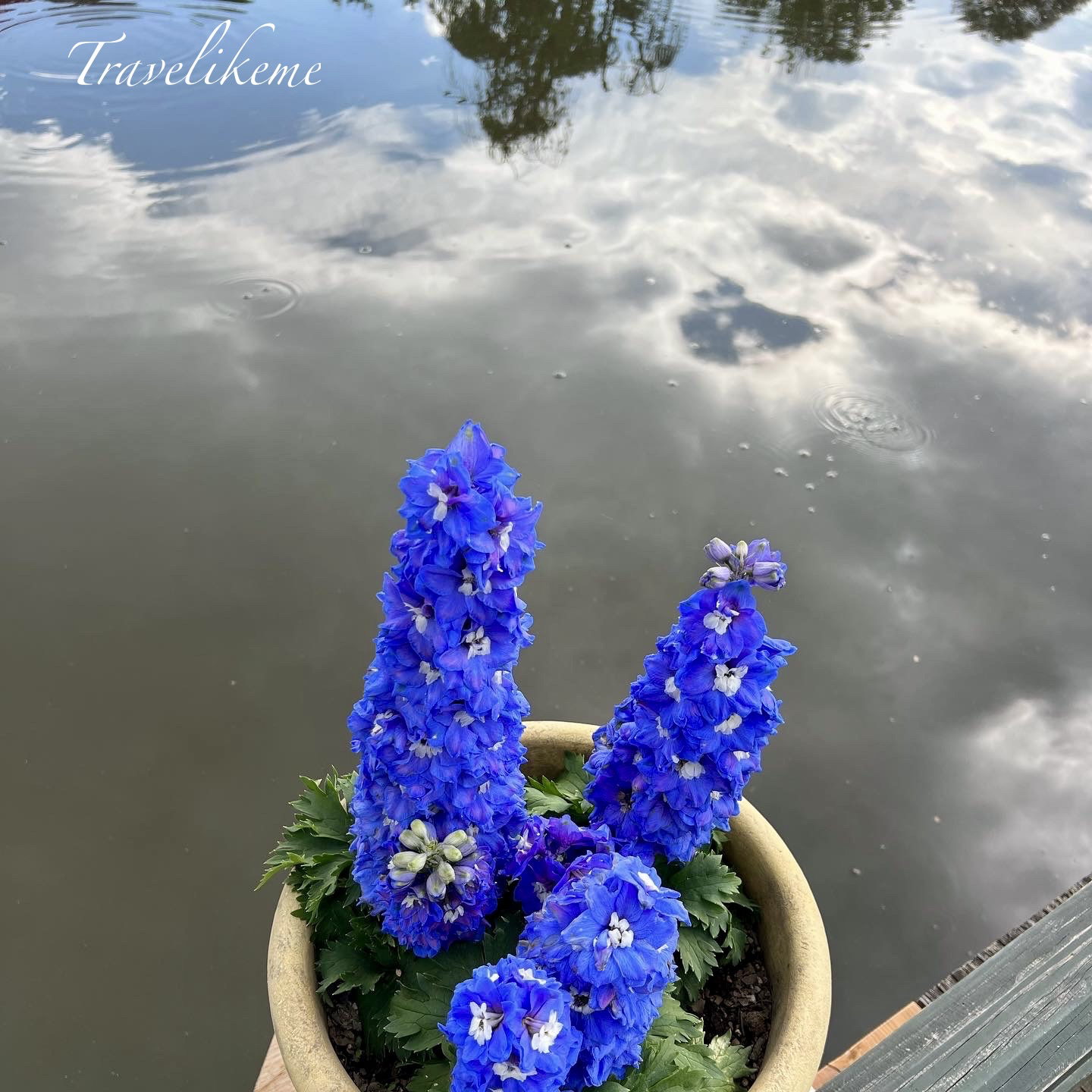
Delphinium in this vivid shade of blue is so eye catching and pretty. They thrive in full sunlight and blossom stunningly between June through July. It can grow up to 6 feet tall and 3 feet wide.
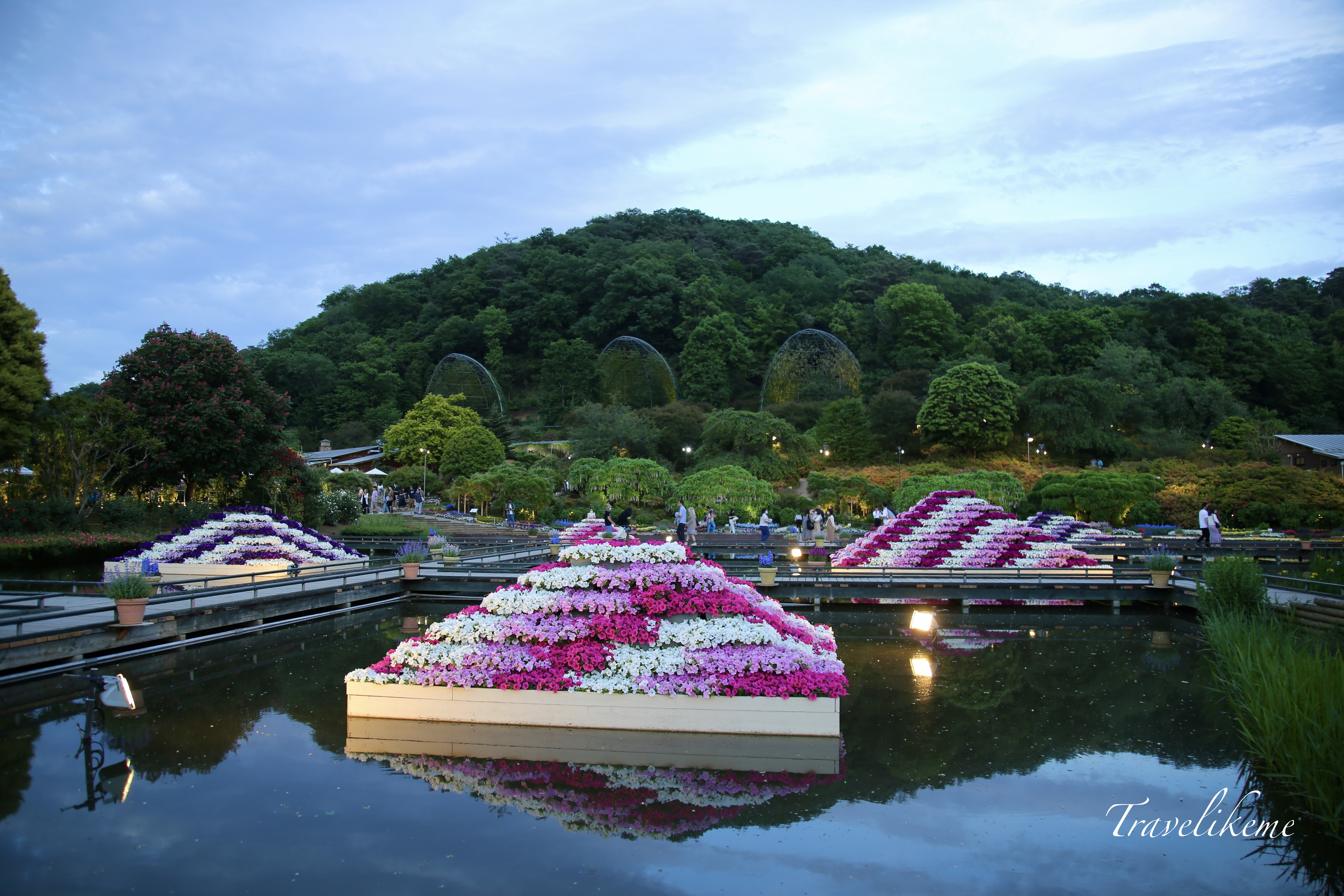
Waiting for the sun to set and for the Night Illumination to begin.
Was curious what a Wisteria soft-serve would taste like; just as I had to try the Lavender soft-serve in Furano to satisfy my curiosity.
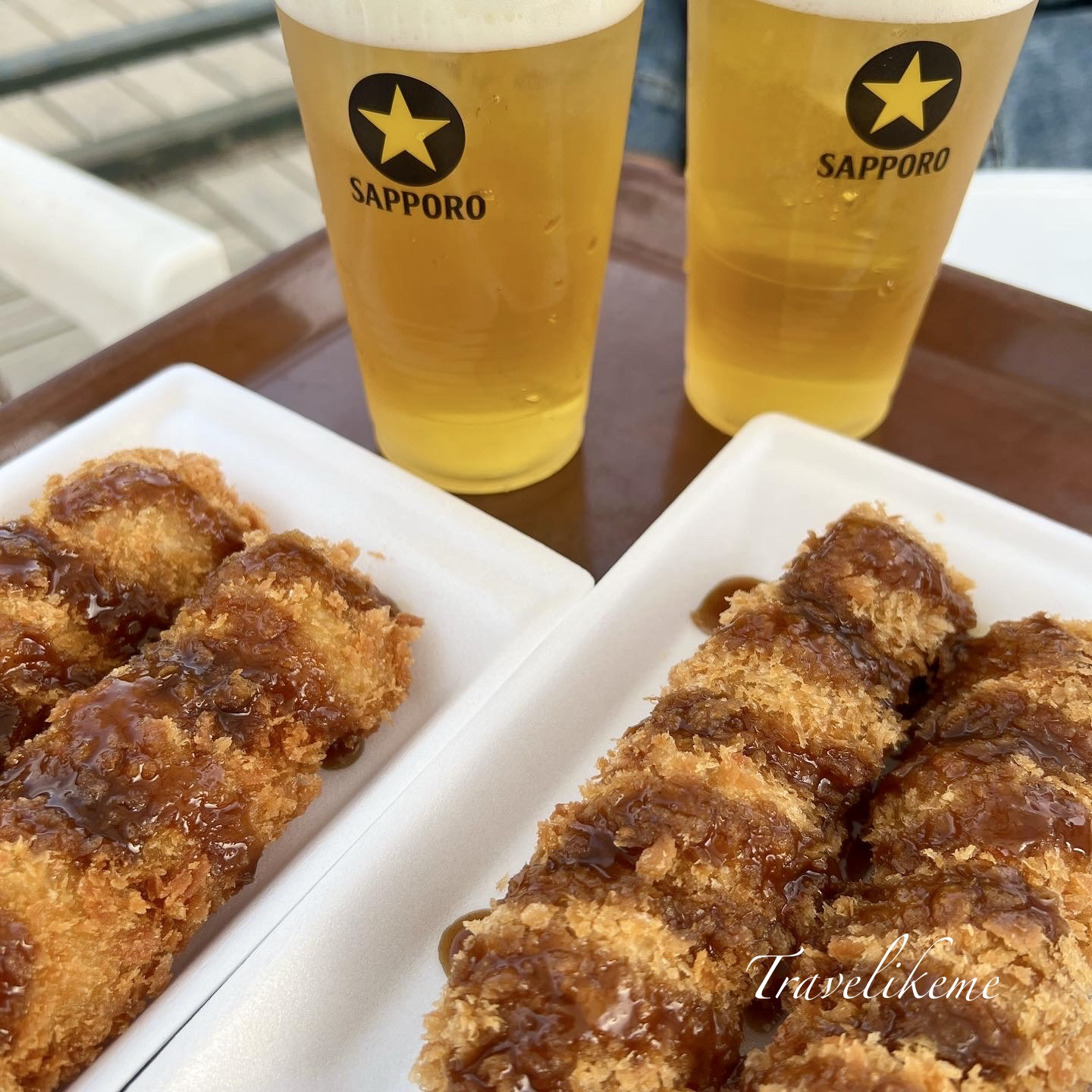
Waiting in an unshaded part of the park was ‘Hot’ business, believe you me the sun is hot as hot can be even in this Spring clime. Try seating under the sun and after a while, you start to roast! Nothing like a cold Sapporo beer to cool off!
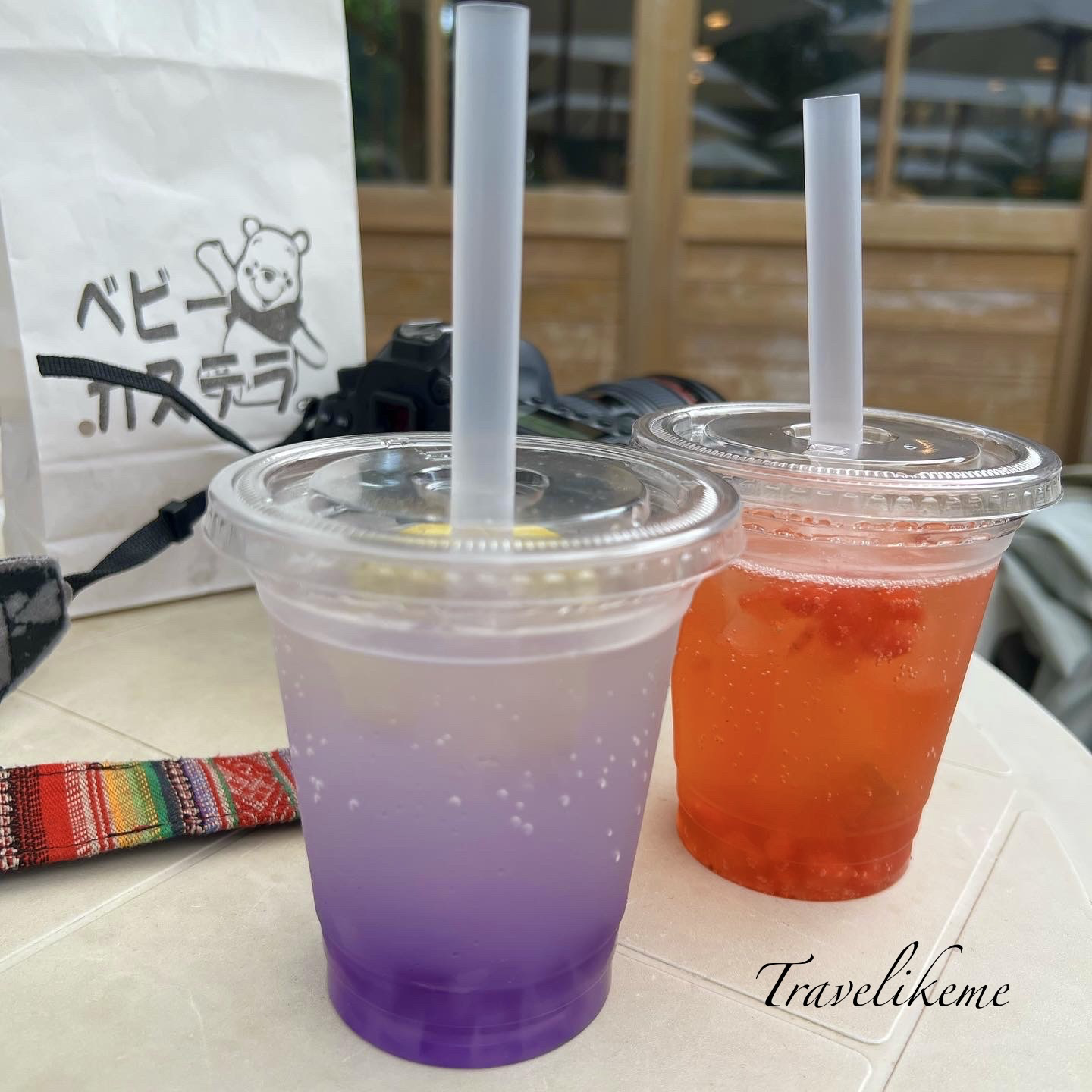
A Wisteria lemonade with jelly and a Strawberry drink with real fruit… nice in the balmy weather but the drinks were frankly a little bland but the Strawberry one was the better of the two.
Wisterias is known as ‘Fuji-hana’ in Japanese. In one of the most famous Kabuki dances ‘Fuji Musume’ or Wisteria Maiden, the heroine carries Wisteria to symbolise the sentiments of love.
Though Wisterias are well loved and admired the world over, it is notable that most parts of the Wisteria plant are considered toxic especially the pods and seeds. Exposure to as few as two seeds can result in oral burning, stomach pain, diarrhoea and vomiting.
The flowers are edible in moderation as all parts of the plant contain glycoside in varying amounts but it could harm kids and pets.




 travelikeme