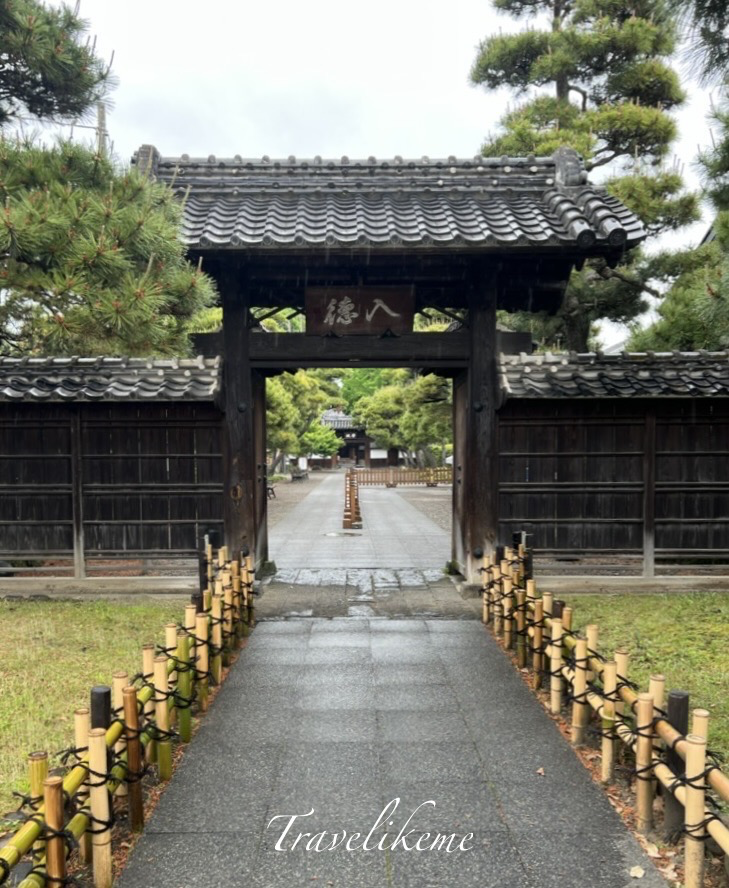
Entering the main entrance and 1st gate ‘Nyutoku-mon’ of the Ashikaga Gakko which is situated in Ashikaga, Tochigi Prefecture of Japan in Kanto region. This is Japan’s oldest standing academic building, just 70km north of Tokyo.
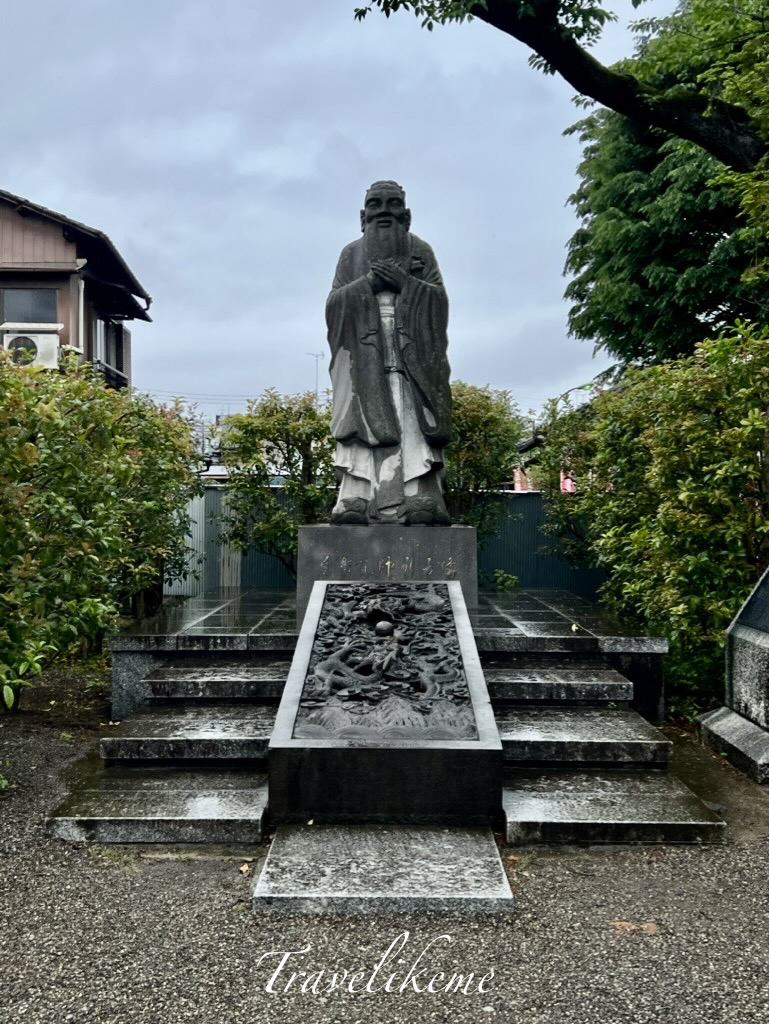
Opposite the Ticket office is this Stone statute of Confucius
Upon entering Ashikaga’s School gate ‘Gakko-mon’ we approach the ‘Kyodan-mon’ before entering the courtyard of the Temple of Confucius. These 3 gates are today national historical sites, having all been erected in 1668.
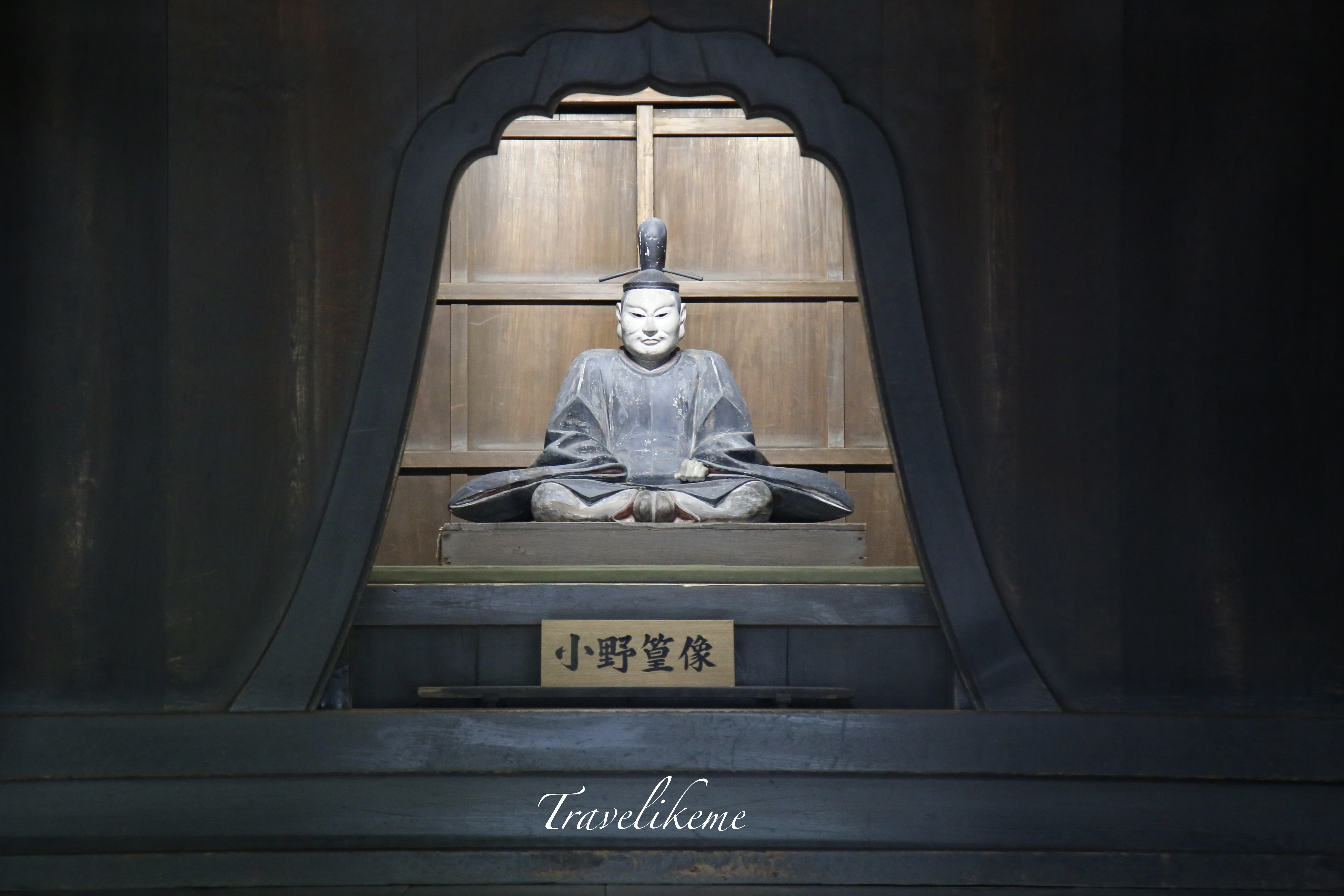
A seated image of Lord Ono-no Takamura, who was thought to be the school’s founder.
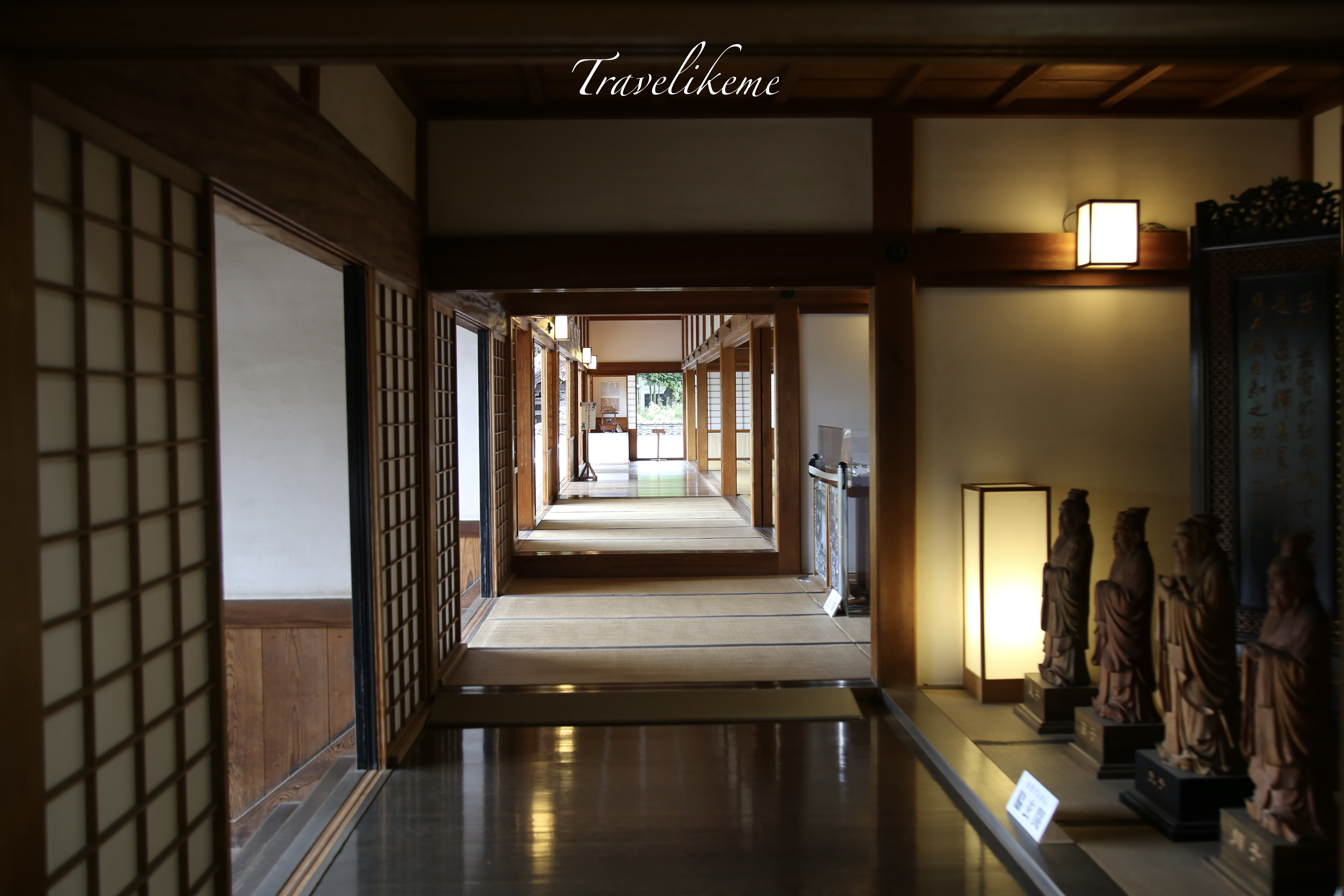
This image of Confucius accompanied by 4 memorial tablets which was completed in 1535 and resides in this structure modelled after the Ming Dynasty buildings in China. This wooden statue has been designated a cultural treasure of Tochigi Prefecture.
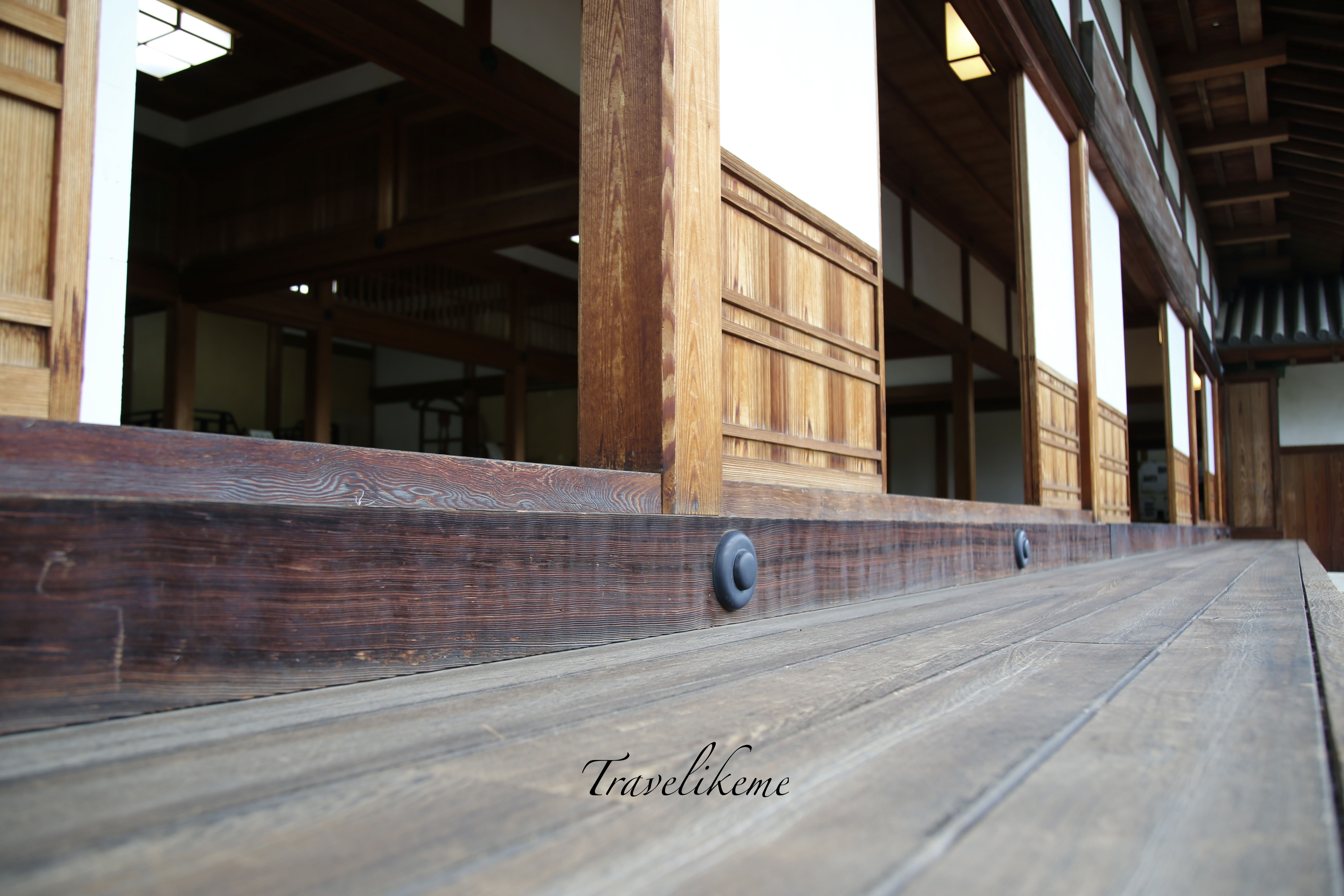
Approaching the Hojo, a thatched roof building which served as the main school building of Ashikago Gakko.
Traditionally, the Japanese built almost exclusively with wood and it would indeed seem puzzling as it would be completely gutted in a fire. There were however, more pressing considerations like mold, typhoons and earthquakes to contend with.
Japan has an abundance of lumber like cryptomeria, cypress and pine which are generally ready to be harvested for use after 40-60 years of growth. These woods are particularly resistant to both mold and insects, making them suitable building materials for the humid Japanese climate.
One form of the Zen garden is the Tsukiyama (Hill Gardens) where an artificial hill is combined with a pond and a stream and various plants, shrubs and trees. A Zen garden is the epitome of control, moderation and simplicity. Rocks and boulders are carefully placed symbolising mountains. I love how the pebbles are raked to form a symmetrical pattern and the railings are made of natural bamboo stripes.
Here is the interesting “Yuza-no-ki” water balance. The aim is to ladle water into the lopsided cup suspended over the water, ever so slowly till it is upright without letting it spill. This teaches the Confucian virtue of “slowly but surely”.
The history of the school is clear from the middle of the Muromachi Period (1400’s) and upon the formation of the Kanto area, Uesugi Norizane refurbished the school inviting donations of books and a principal began educating students. There was about 3000 students studying here by the 16th century making it a large and famous university in Eastern Japan.
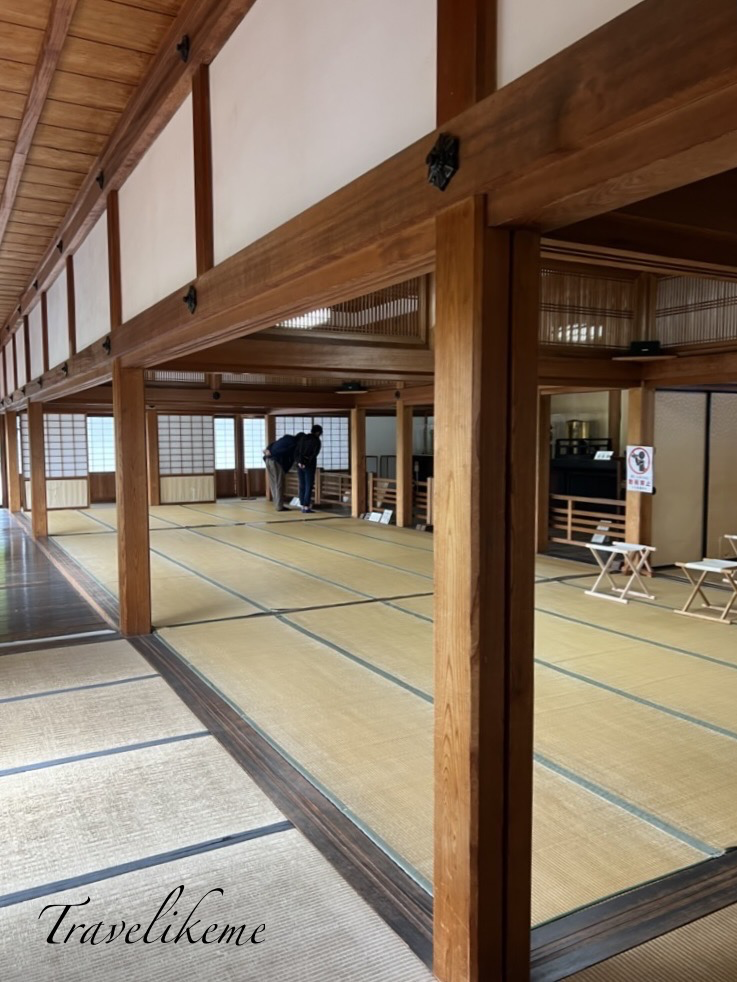
The Hojo has a high ceiling and is spacious inside with tatami mat flooring. It has exhibits relating to the history of Ashikaga Gakko at one corner.
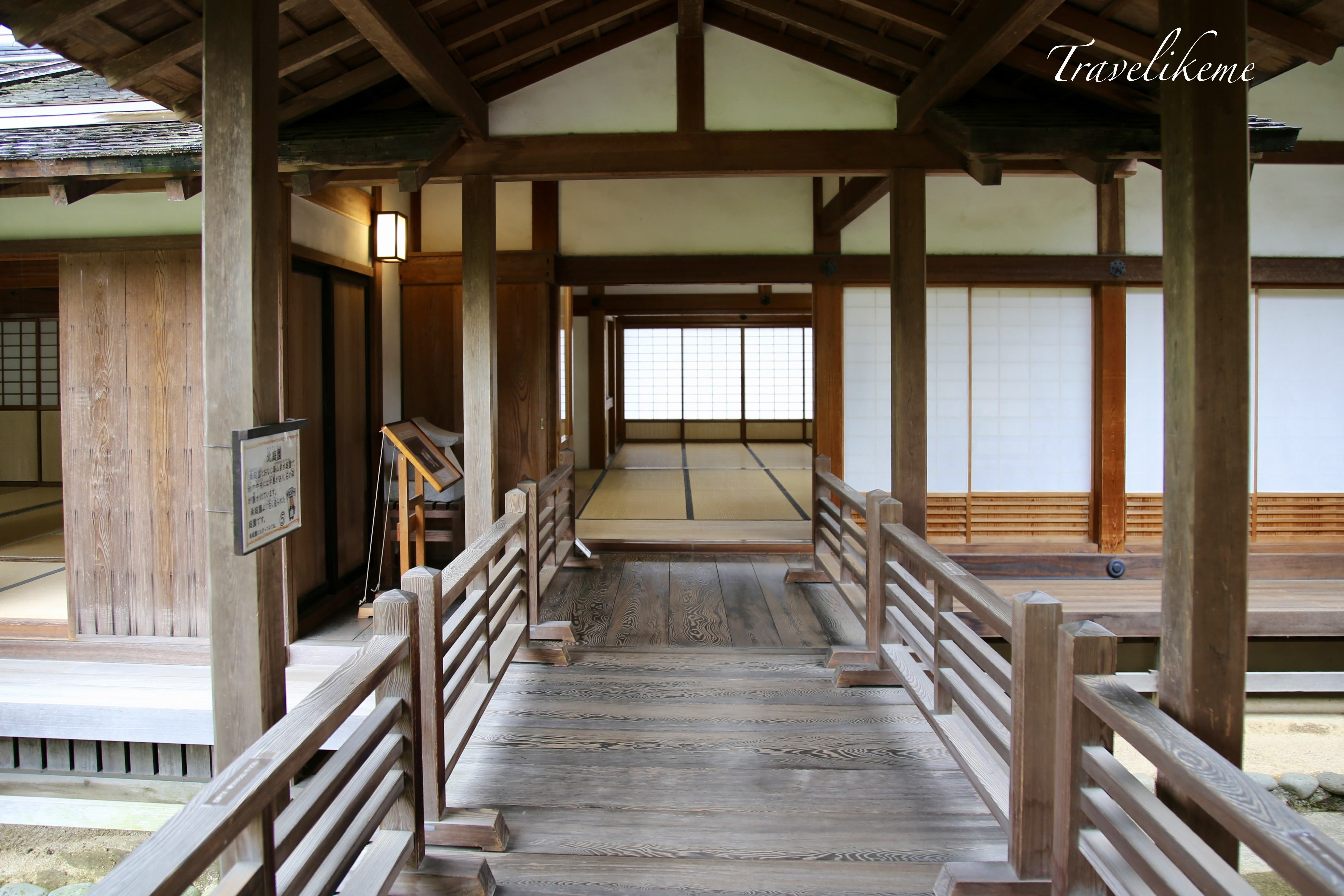
The Shoin is the study room which is a separate structure with a shingled roof behind the Kuri where daily activities such as cooking and bathing happened.
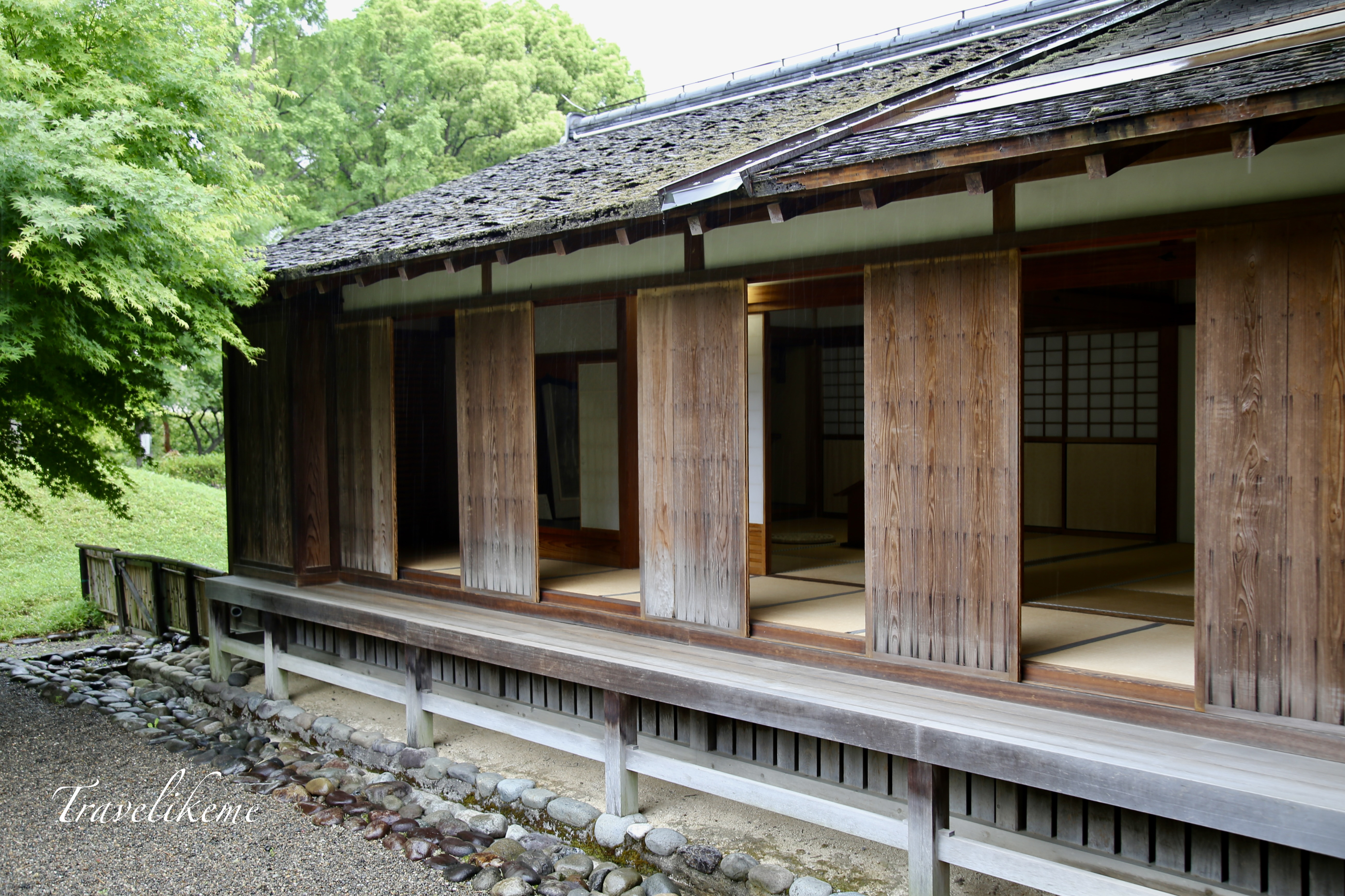
The side view of the Shoin or study room with the shingled roof. The curriculum centred around Chinese classical literature, Confucianism, Liezi, Zhuangzi, Shiji, I Ching and Chinese medicine. Although the teachers were Zen monks, Buddhist theology and doctrines were excluded. Later in the Sengoku Period studies included practical sciences and an alternative lighter curriculum for the sons of military commanders.
A large scale restoration project began in the 1980s which included removing an elementary school and restoring the buildings and gardens to reproduce the Ashikaga Gakko as it was during the middle of the Edo Period.
This is the Kita Teien (Northern Garden) which exudes an air of tranquility and quietude which is perfect for meditation and contemplation.
This makes an interesting and relaxing visit to Japan’s oldest known university. It became the highest educational institution in Eastern Japan until the 17th century.









 travelikeme