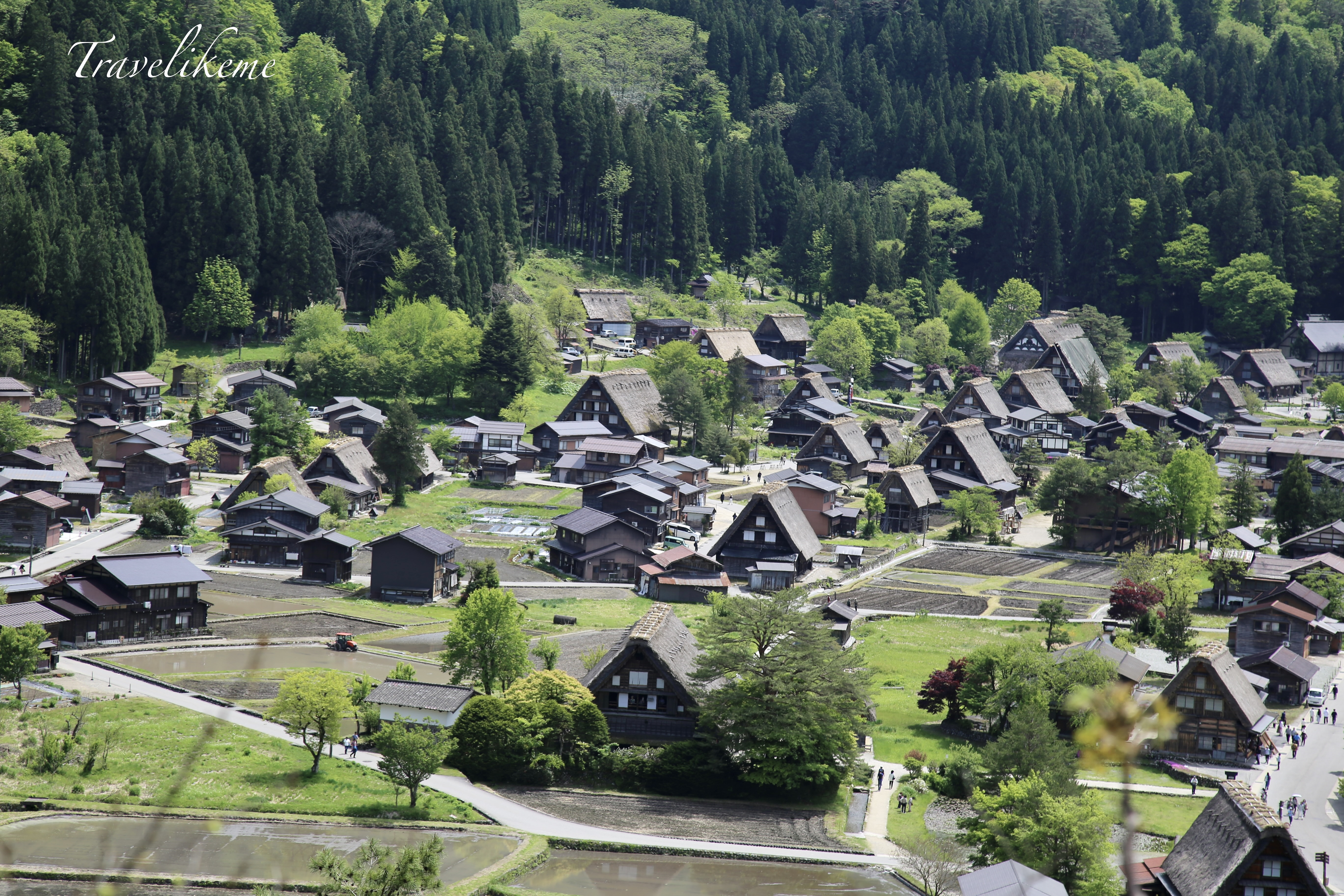
The panoramic view of Shirakawa-go from Shiroyama Tenshukaku Observation Deck. Shirakawa Mura (白川村) is this beautiful traditional village located in a valley in the Ono District of Gifu Prefecture in Honshu Japan. The village’s area is 95% mountainous forest and steep places are characteristic.
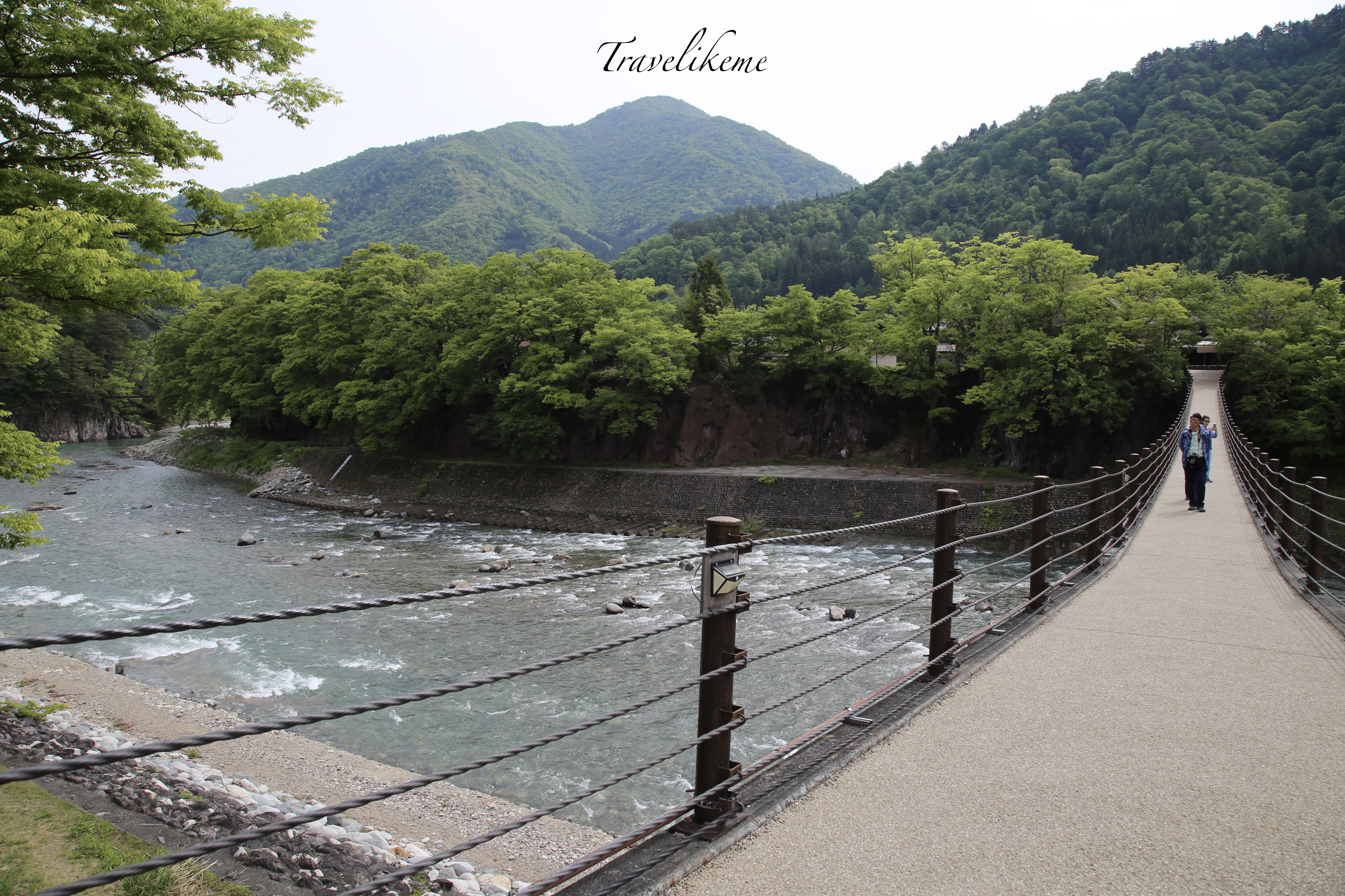
This is the suspension bridge that spans the Shō River that leads to the ‘main entrance’ of Shirakawa-go on the other side. The Seseragi Park carpark near this bridge is fairly large and can accommodate more than 50 cars and a number of tour buses. Located next to the carpark is a Tourist Information centre, a public toilet and also the Shirakawa-go Gassho-zukuri Minkaen (an open air museum).
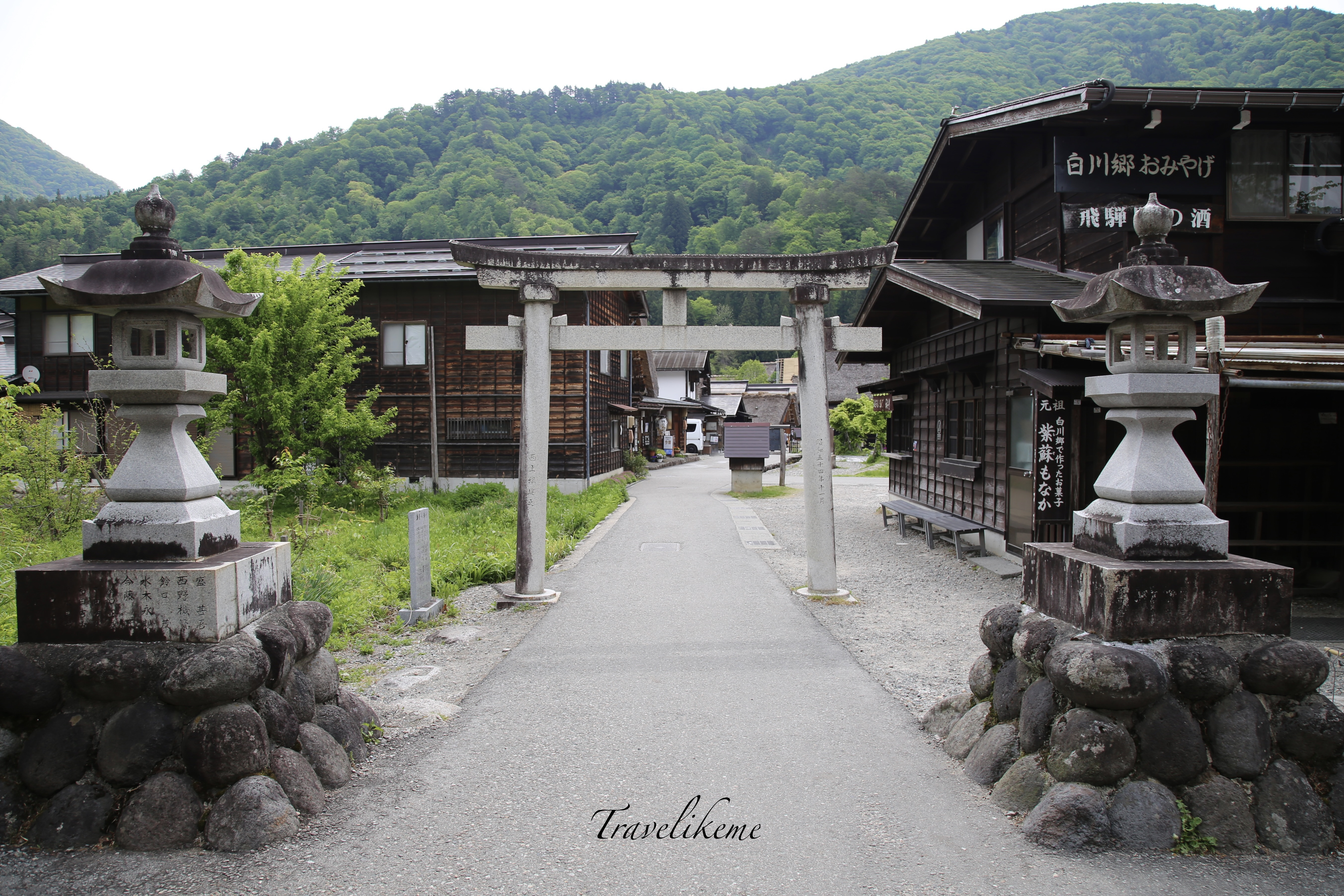
Stone Torii gates welcome you into Shirakawa-go with the Hakusan National Park mountain ranges surrounding the tiny village. You will cross over from the secular world to the sacred world of the Shinto religion and this gate acts as a passageway into the shrine’s sacred space.
The local economy here is dominated strongly by seasonal tourism and it has greatly improved the financial condition of the village since it became a UNESCO World Heritage Site in 1995. The huge number of visitors resulted in pollution of a different kind, when locals started to turn their homes into hostels, gift shops and even parking lots, endangering its World Heritage status.
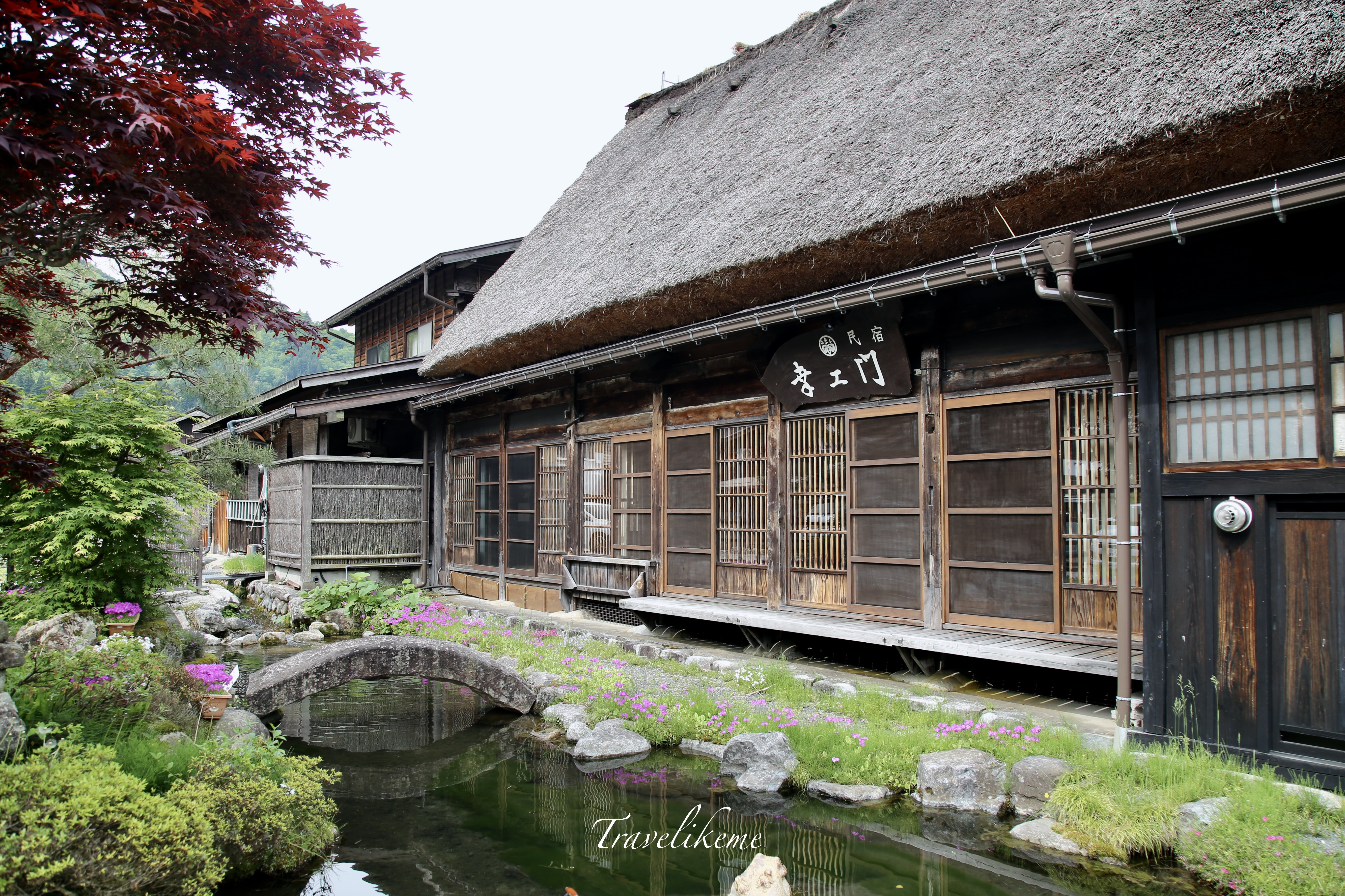
These Gassho-zukuri houses were built from the middle of the Edo Period to the beginning of the Showa Period in the area from Shirakawa Village to the Gokayama district in Fukui Prefecture. The oldest buildings are deemed to be about 300 years old. In 1924 there were about 300 Gassho-zukuri houses but their numbers fell to 190 by 1961 due to fires and possibly destruction by submersion caused by a dam project along the Shogawa River.
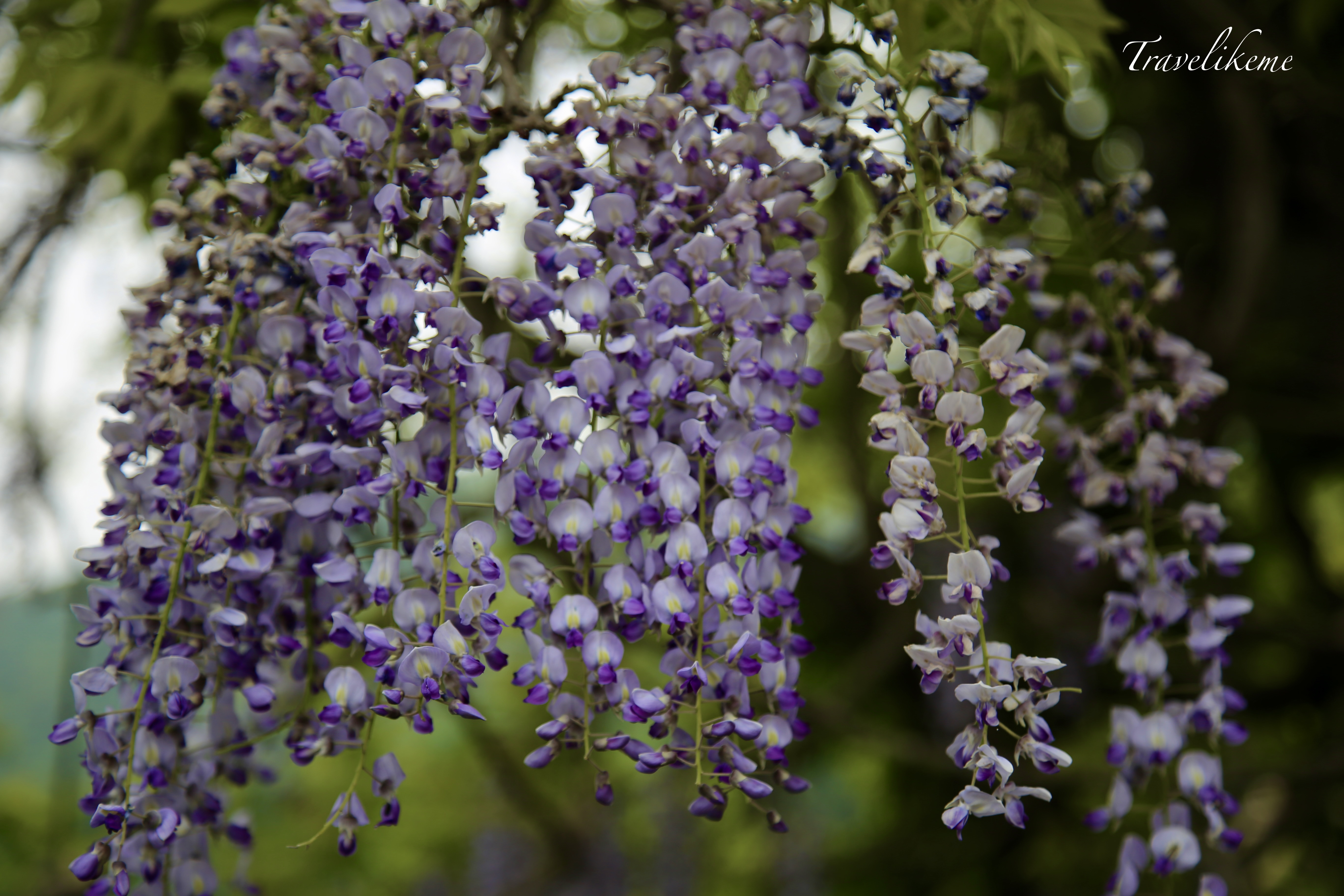
Purple Wisteria (藤Fuji) is blooming beautifully even in late spring.
About 600 people from approximately 150 households still live in Shirakawa-go though the population is on the decline. As with most rural areas in different parts of the world, the younger people all prefer to find work in the larger cities and move away leaving the old folks behind.
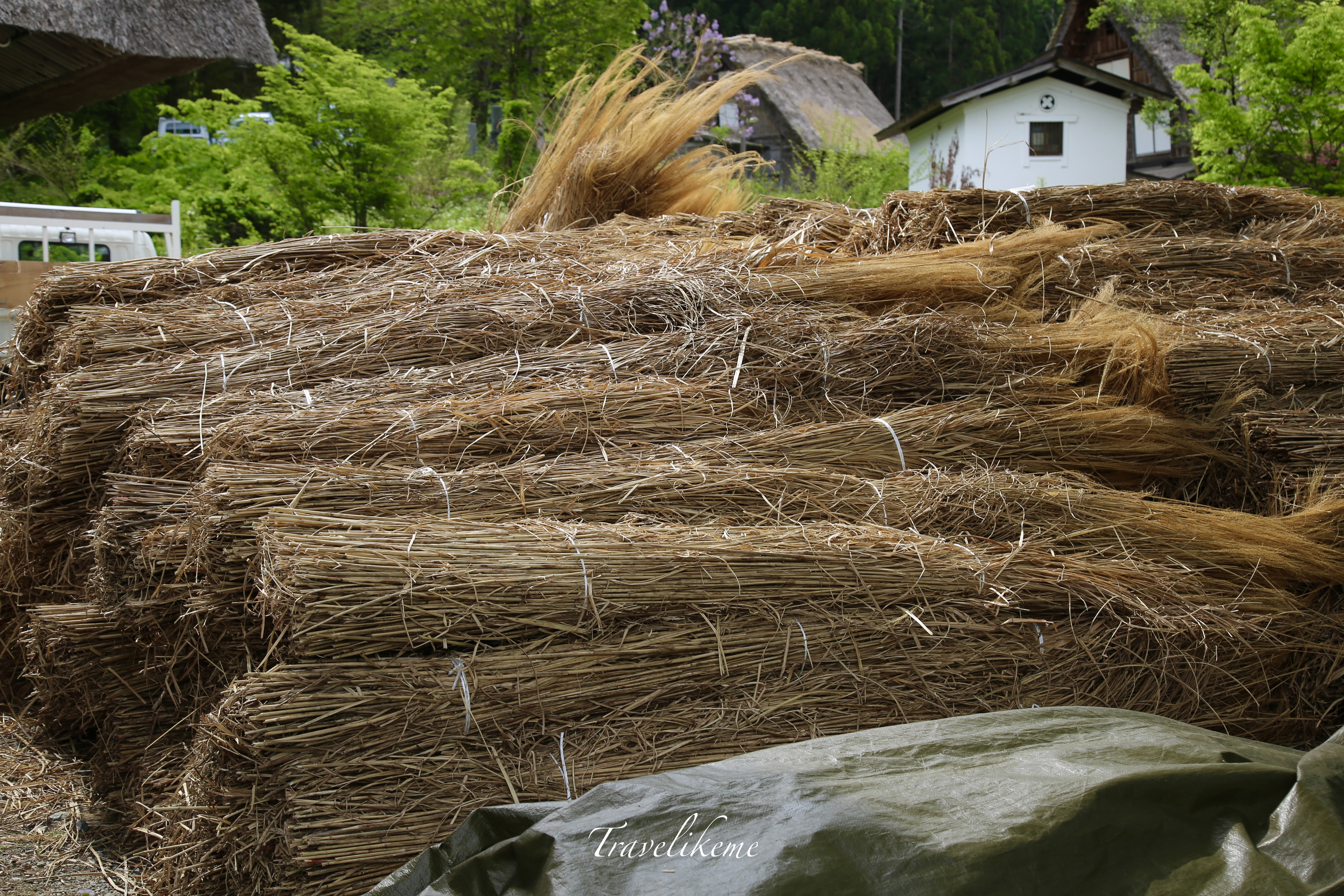
Nearly every year since 1987 the entire student body of Shirakawa Junior High School has helped to harvest the pampas grass for the thatched roofs using carried out in October. They are briefed by a member of the Gassho-style House Preservation Society on how to cut the grass. The 2m high grass is cut at the base and 50 stalks are bound together with rope and are placed standing in bunches of 5. The grass is stored in a special room for drying and the bales would be ready for use in a year or two for reroofing the village’s Gassho-style houses.
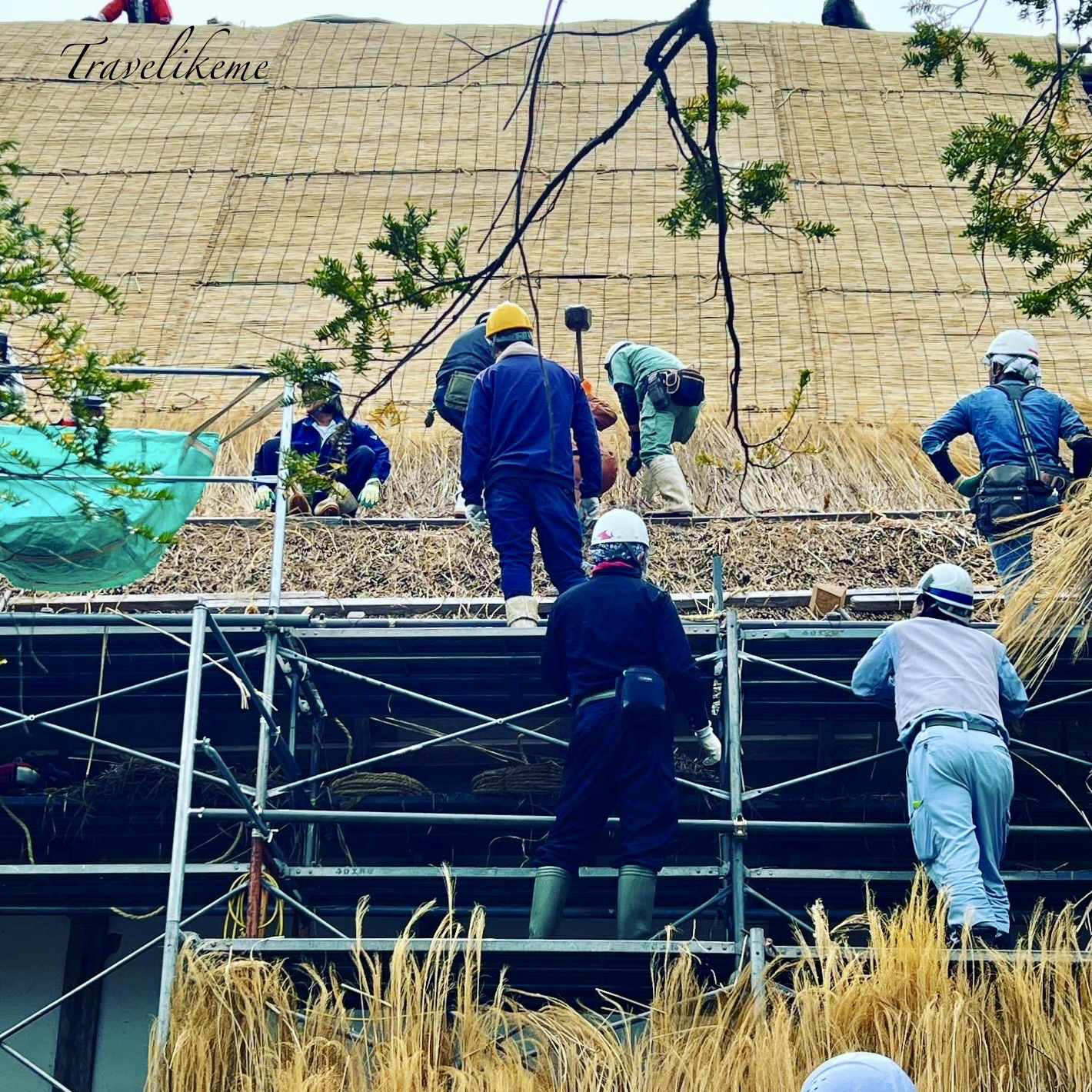
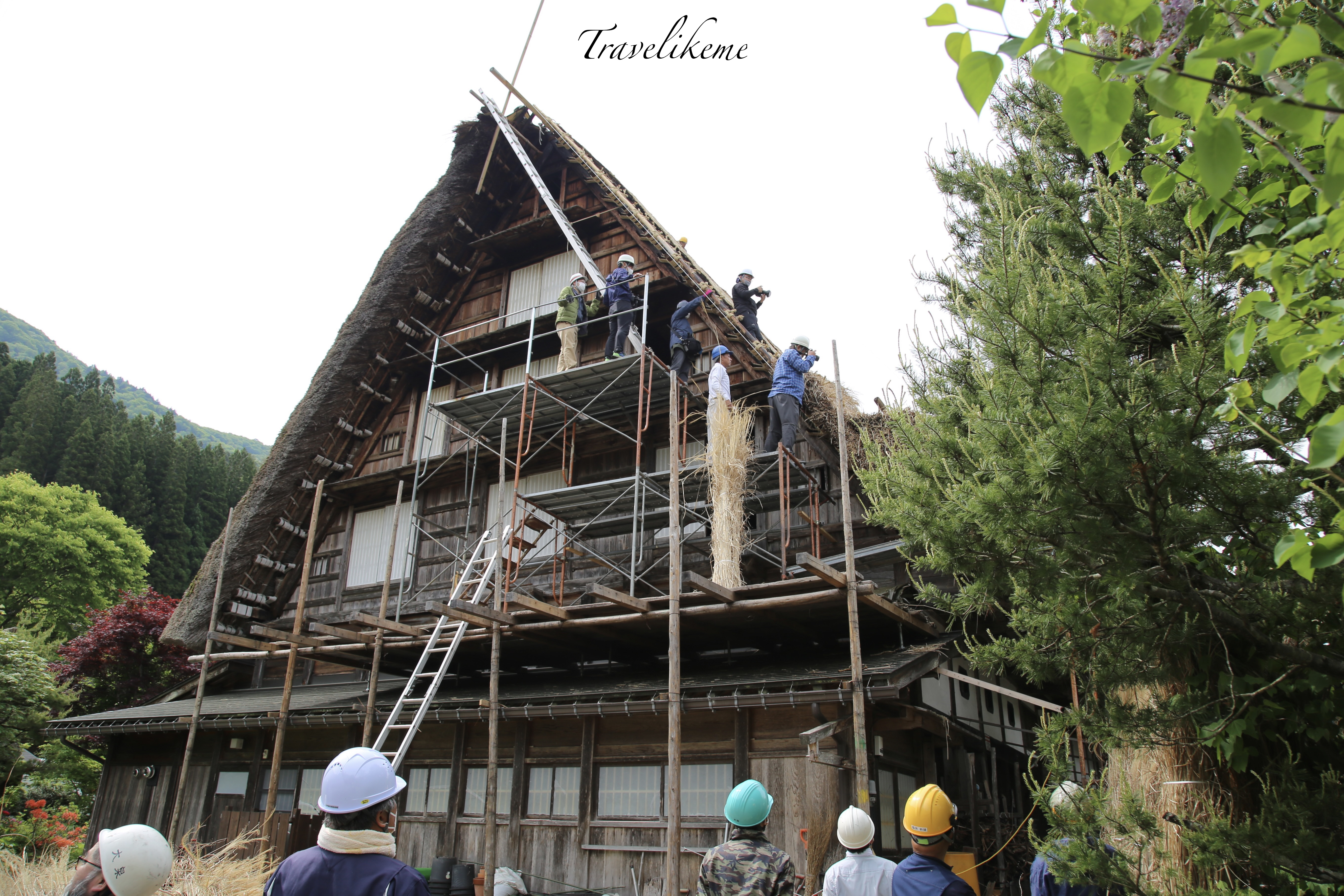
Myozenji Temple Museum was getting a new thatched roof, so I was mesmerised for a good 10-15 mins as I stood there watching the men heave the weaved pampas grass bales up the roof and had them fastened to the roof beams whilst some others were pounding the pampas in the lower reaches to compact them. These thatched roofs have to be replaced after 25 or 30 years and in Shirakawa-go about 4 or 5 thatched roofs are replaced every year.
Nearly every year since 1987 the entire student body of Shirakawa Junior High School has helped to harvest the pampas grass for the thatched roofs using carried out in October. They are briefed by a member of the Gassho-style House Preservation Society on how to cut the grass. The 2m high grass is cut at the base and 50 stalks are bound together with rope and are placed standing in bunches of 5.
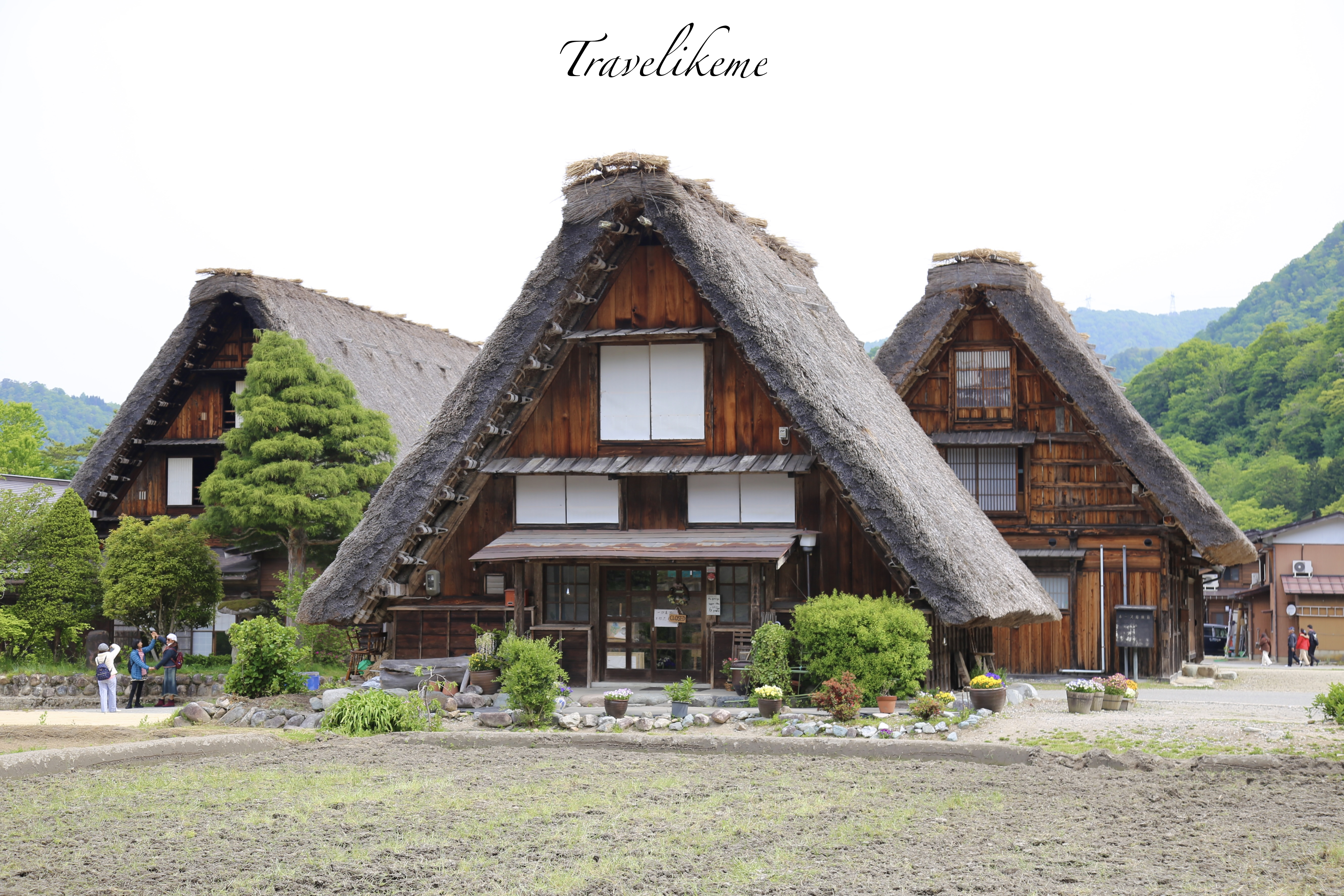
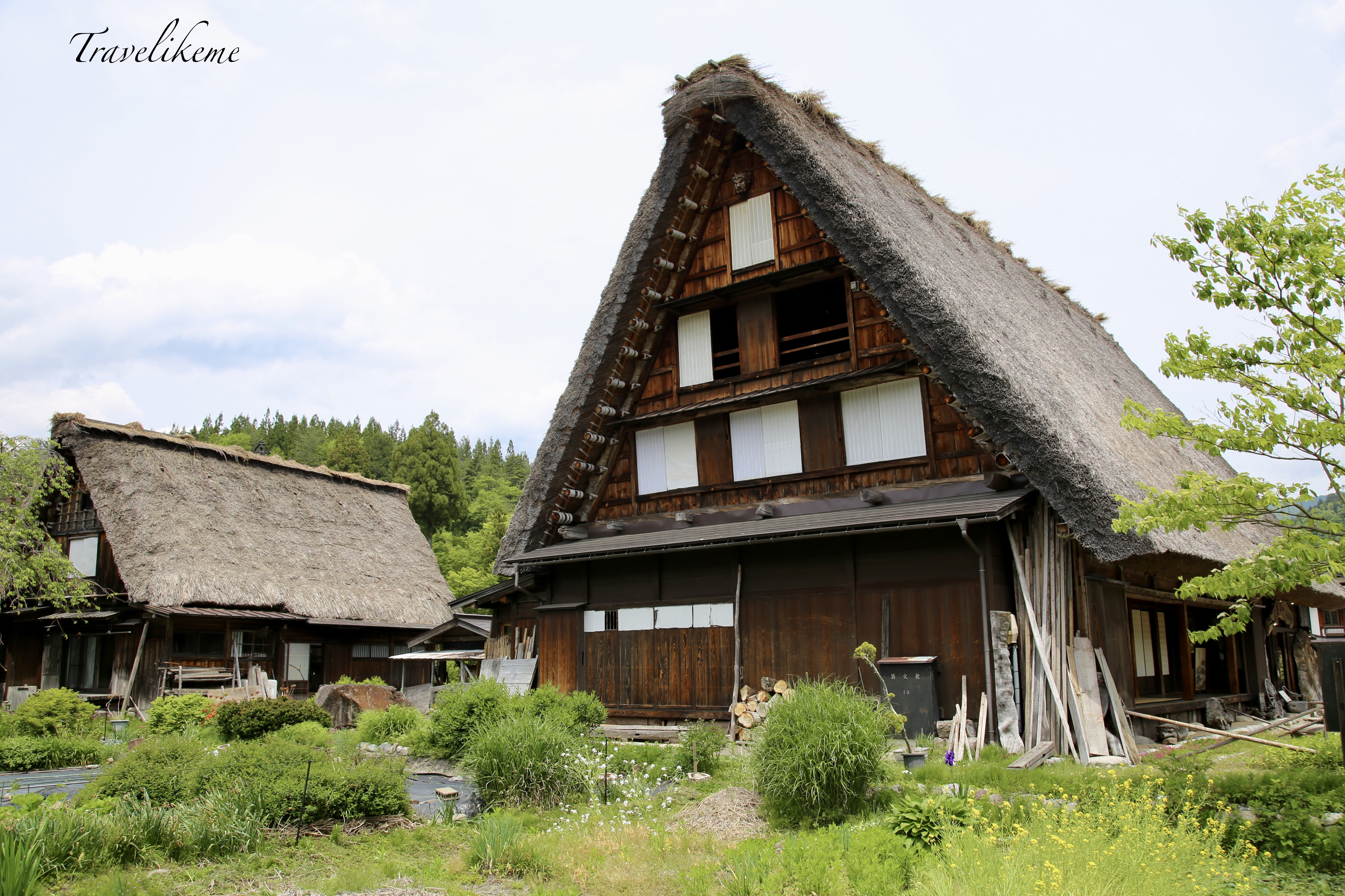
The iconic Shirakawago Three Houses in the middle of the village. Gassho-zukuri is a house built entirely of wooden beams to form a thatched roof that resembles ‘hands in prayer’. The steeply slanting roof of about 60° form almost an equilateral triangle and also looks like a standing open book. It is characteristic of houses in this part of the country as it is made to withstand the heavy snowfall in winter. It is amazing how no nails are used in this construction at all.
The Gassho-zukuri houses are built facing north and south to minimise wind resistance and they are also customized to suit both hot summers and snowy winters. The houses stand in a certain direction to adjust the amount of sun they get in order to keep the room cool in summer and warm in the winter.
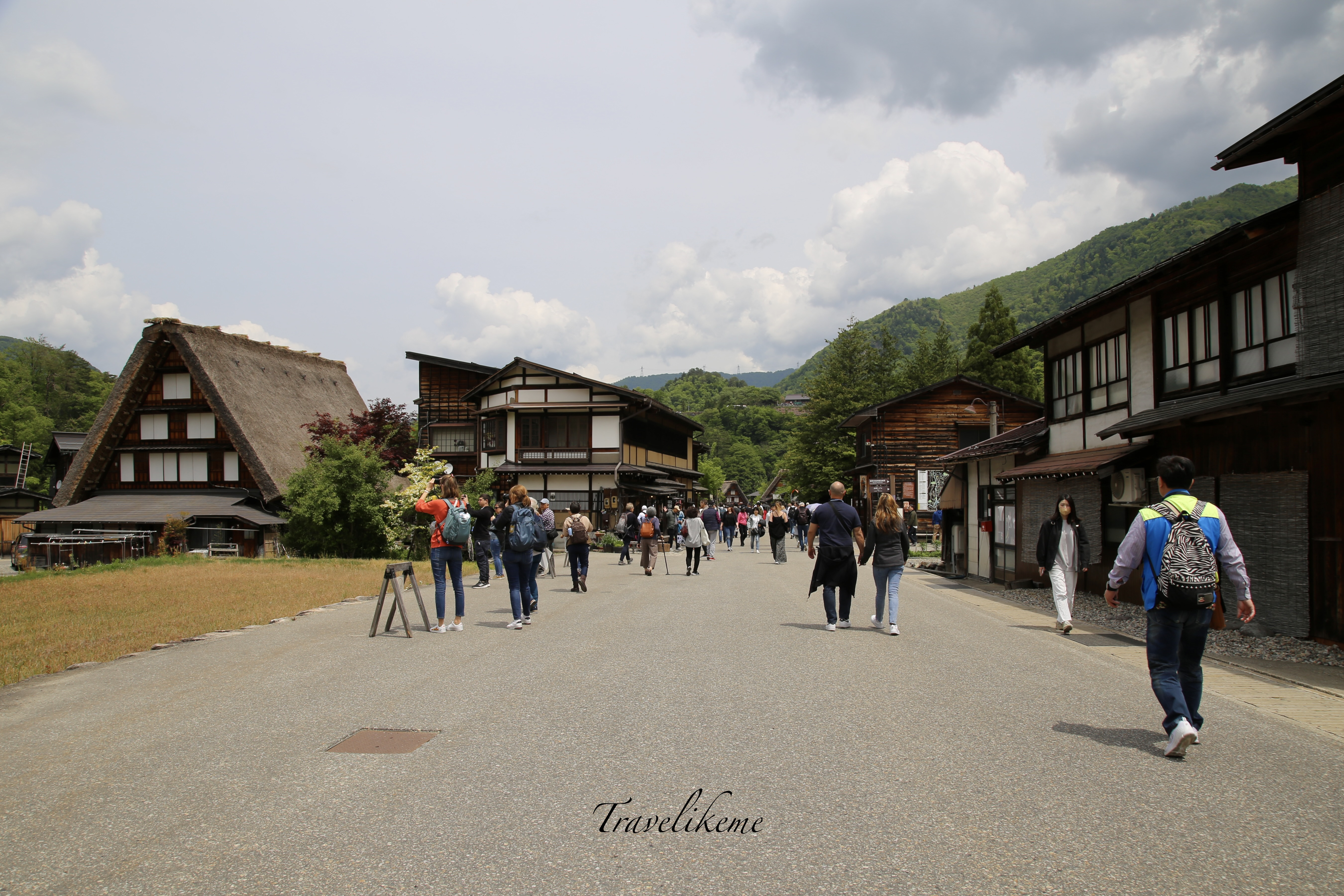
Entering the charming busy main thoroughfare of Shirakawago where its lined with little shops and places to grab a bite.
Thus in 1965 onwards, the residents in Ogimachi started a movement to preserve the Shirakawa Village Gassho-zukuri before they all disappeared. The Association for the Preservation of the Natural Environment of the Shirakawa Ogimachi Settlement was officially launched in 1971 and their efforts were eventually recognised by the Japanese government and UNESCO in 1995.
Shirakawa’s average snowfall is in excess of 10m and is one of the snowiest places in all of Japan. Snowbanks can get as tall as 2m high, as a result the gassho-zukuri houses were constructed to withstand the frequent heavy snow.
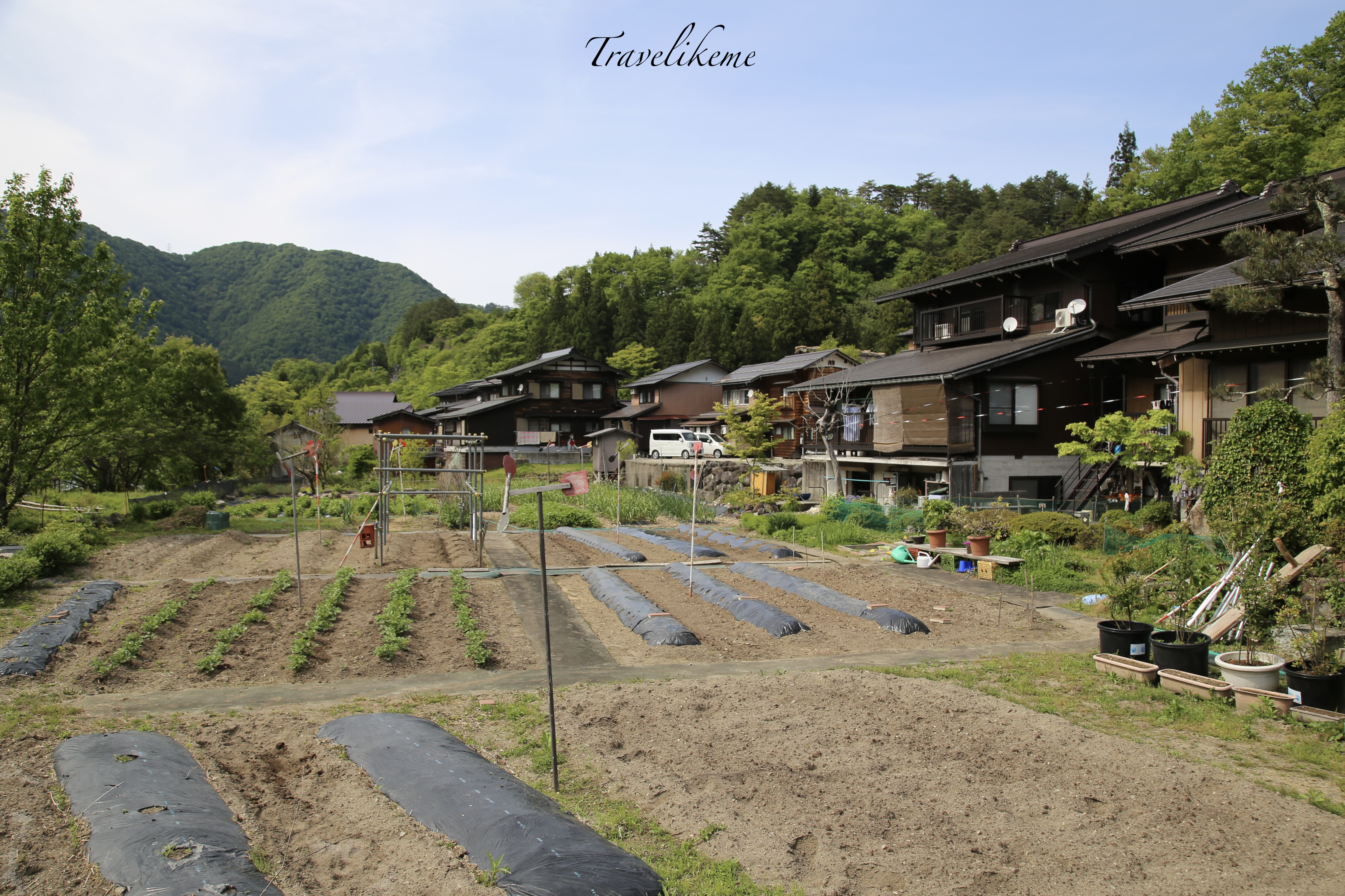
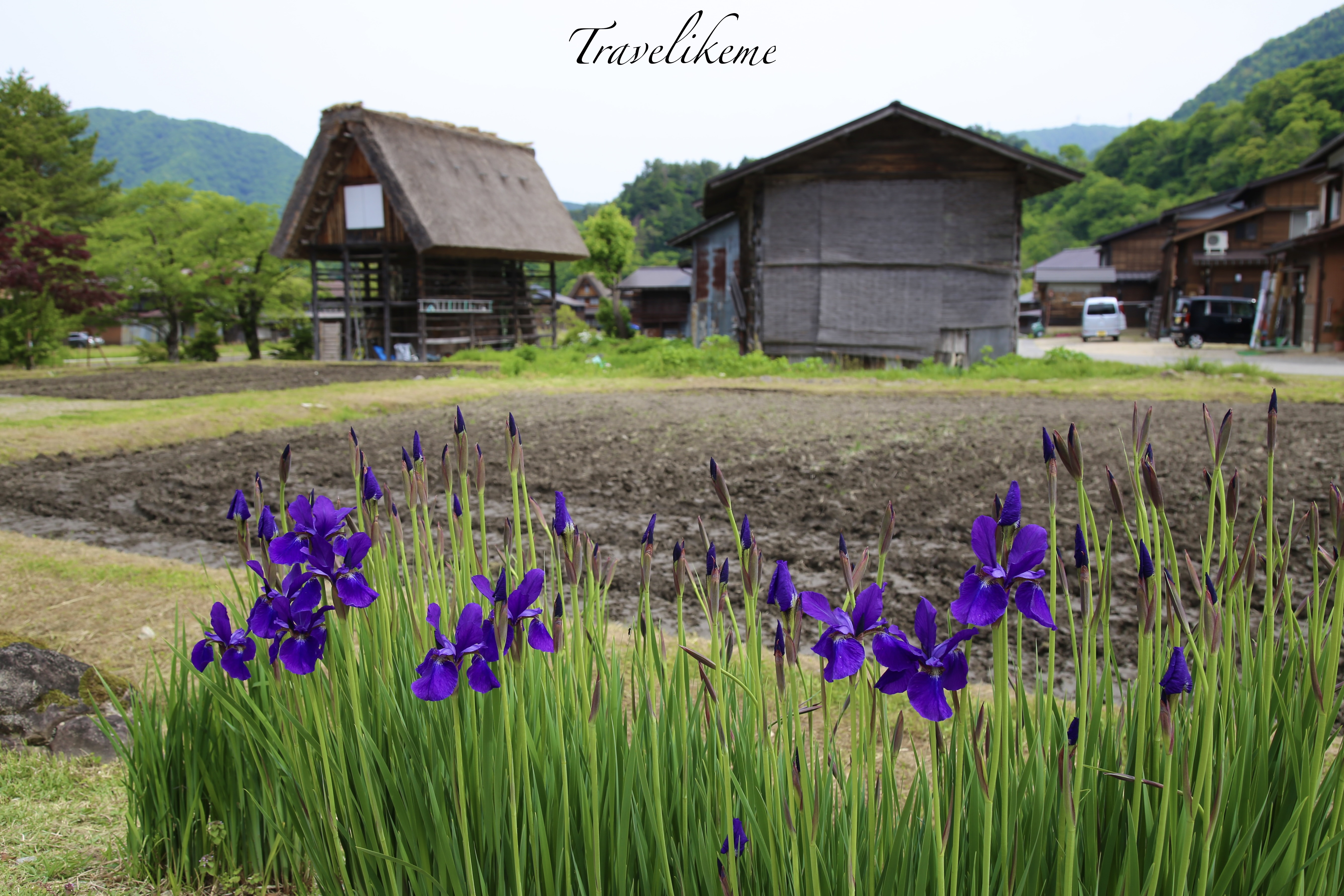
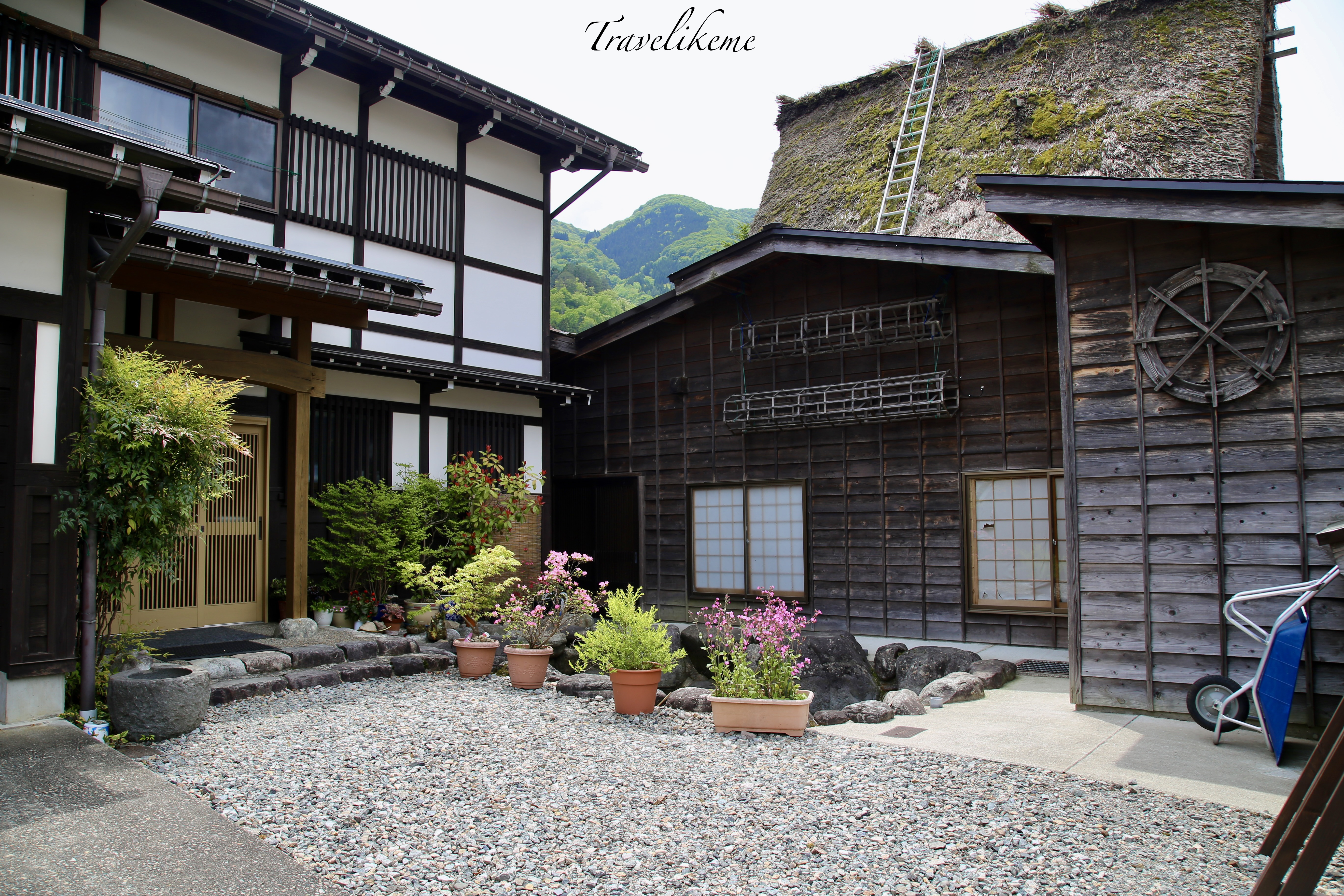
I enjoyed wandering along the narrow streets and crossing the little dykes transversing the padi fields that have just been harvested. Shirakawago in my opinion is tranquil and unpretentious and not dressed up to please the tourists. Normal folks live here and go about their daily lives and the area’s simplicity is to me the biggest charm!
Shirakawago does not have any direct passenger railway service and maybe a little out of the way to get to but it is really worth the effort. Many tour operators do day trips to Shirakawago and nearby Takayama and that is a great alternative.
From spring through fall, visitors enjoy taking photos of the rural landscape and the Gassho-zukuri houses but in winter from the end of December, comes the snow. It would blanket the whole village and suddenly the scenery is transformed to this surreal, silvery white landscape that is an iconic wintery picture of Shirakawago. The illumination event when all the houses are lit, with light streaming out of the ‘shoji’ paper screen windows turns Shirakawa village into a totally magical, dreamlike world much to everyone’s delight.


 travelikeme